This Land: Stewarding for the Common Good

First, there was the land. Well, technically, the Earth began as a sphere of hot, molten material with an atmosphere comprised of volcanic gases. But eventually the Earth cooled and formed a solid crust and liquid water, and once the plate tectonic motors began grinding away, there were continents. Next came life on the land. Well, first there was life in the oceans, and then life on the land. Eventually, after hundreds of millions of year of evolution, we humans came to live on the land. And somewhere in the last 300,000 years or so that Homo sapiens first roamed the Earth, I imagine the first person had the thought “I own this land”, and the great disconnect began — man’s relationship with the Earth and all other living beings changed. What was the driving force behind that thought? Limited resources? Greed? How did we go from living in balance, in community, with all other life forms to the notion that this section of the land, and everything that exists within it, belongs to me to do with as I please?

Aldo Leopold, American writer and naturalist, in his book A Sand County Almanac included a chapter titled “July – Great Possessions”. He begins by noting that, in the record books of the County Clerk, there is recorded 120 acres of land in his name, the extent of “his worldly domain”. He notes, however that the sleepy clerk never looks at his record books before nine o’clock, and what happens on these 120 acres at daybreak “is the question here at issue”. He goes on to describe how, in these early hours, not only the thought of boundaries disappear, but also the thought of being bounded. He describes his “…tenants, negligent in their rent, but punctilious about tenures.” Arising at 3:30 am to sit on his porch with coffee in hand and canine friend at his side, he observes the proclamations: “…at 3:35, the field sparrow avows, in a clear tenor chant, that he holds the jackpine copse north to the riverbank, and south to the old wagon track. One by one all the other field sparrows within earshot recite their respective holdings…before the field sparrows have quite gone the rounds, the robin in the big elm warbles loudly his claim to the crotch where the ice storm tore off a limb, and all the appurtenances pertaining thereto (meaning, in his case, all the angleworms in the not-very-spacious subjacent lawn)”. Leopold continues to log the declarations, from the indigo bunting to a crescendo of other voices — grosbeaks, thrashers, yellow warblers, bluebirds, vireos, towhees, cardinals —”now all is bedlam”. He and his dog then venture out to inspect the holdings. The dog “…is going to translate for me the olfactory poems that who-knows-what silent creatures have written in the summer night.” They find a rabbit, a woodcock, a cock pheasant, a coon or mink, a heron, a wood duck, a deer. Finally, the sun has risen and the bird chorus has run out of breath. The world has shrunk back to those dimensions known to county clerks.

What Leopold is so eloquently opening our minds to is that the land we claim as belonging to us also belongs to the multitude of non-human beings. We occupy land together and our respective claimed territories overlap. These are your closest neighbors. Once we humans come to understand the interconnectedness of this web of life, we wake up to our responsibility to respect the needs of all living beings and not destroy our collective habitats. Indigenous peoples have a long history of understanding this concept and living in harmony with nature., however some branches of humans somehow lost this critical knowledge and began using the land for their own personal gain without regard for the natural world. This group has been quite successful in their endeavors, destroying habitat by logging trees, mining the earth, creating and using pesticides and herbicides, building roads, the list goes on and on. And so we find ourselves here today with an ailing Earth, unable to nurture the life it has created, a sixth mass extinction underway.

The Evolution of Land Ownership in the U.S.

Europeans first arrived on the shores of eastern North America during the 1600’s with the intent of settling on this land that had been claimed by the English crown. Allen Greer, history professor at McGill University, explains that colonists arrived with a familiarity of European agriculture of the time which included the notions of “the commons” and “the waste”. The commons referred to both a place, such as a village pasture, and a set of access rights. The surrounding area beyond local croplands was considered waste, or an “outer commons” area that included the mountains, marsh, and forest that rural people used as rough pasture and foraging areas. A variety of rules and customs governed these areas in the early period of colonial settlement.

Indigenous people had been living in North America for tens of thousands of years, having spread throughout the land, diversifying into distinct Nations. They subsisted on various combinations of hunting, fishing, foraging, and agriculture. America was a patchwork of native commons, each governed by the land-use rules of specific Tribes. To this pre-owned continent came Spanish, English, and French colonists, occupying space, appropriating resources, and developing tenure practices to meet their own needs. The notion of common property was a central feature of both native and settler forms of land tenure. The dispossession of land from the Native American people came about through a clash between the indigenous and the colonial commons.

This clash of the commons occurred gradually over the course of the 17th and early 18th centuries. It was often in the form of Europeans imposing their idea of common land on territory that was already claimed. Colonists, busy with the tasks of clearing forests and building houses, often allowed their hogs and cattle to wander off and fend for themselves, disrupting both the forest ecosystems and the ownership systems of the native tribes. Depending on the number of livestock animals at large, the effects on tribal subsistence could range from simply annoying to utterly devastating. This open grazing tactic represented an implied claim by the colonists to the land itself. When settlers proclaimed, in effect, that the lands’ resources (the wild animals and timber) were open to all, yet the hogs and cattle roaming the same woods remained their private property, they were essentially appropriating the land as their own commons. The margins of subsistence would shrink to the vanishing point for Native Americans living on the colonial commons.

Over the centuries, Native tribes would endure the effects of the roaming livestock and the environmental damage caused by overgrazing in advance of colonists moving into and settling an area. The native commons was constantly under assault as the colonial commons advanced across the face of the continent. What we commonly refer to as “the American frontier” was actually a zone of conflict between Native American commons and the colonial outer commons — a struggle to occupy the same land but with contested customs and rules regulating its resources.

The Native American tribes did not give up their commons without a fight, however. They made efforts to negotiate for shared used of the land and in the early years of settlement, agreements were made. As time went on, colonists refused to cooperate, raising tensions to the point where Native tribes began killing the domestic animals. During the Powhatan resistance of 1622, Natives “…fell uppon the poultry, Hoggs, Cowes, Goats and Horses whereof they killed great nombers.”. The King Philips War in 1675, along with multiple other local wars of that era, broke out in part due to Native tribes’ grievances over livestock. Conflicts and wars with Native Americans continued until the 1920’s. Various treaties and agreements that had been made between the U.S. government and Native tribes to guarantee land rights were broken, and many Tribes were forced to relocate to established Indian Reservations. Native tribes ultimately ceded millions of acres of land to the government through conquest and treaty settlements—cessation and settlement provided the original basis for federal ownership and legal title of U.S. public lands.

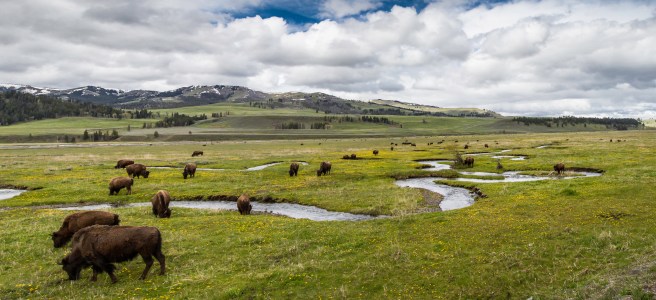
It was not only human populations that were driven from their lands by the western advance of settlers. Bison, an estimated 30-50 million of them, thrived on the Great Plains of central North America. In the 17th and 18th centuries, herds of feral horses and cattle had been driven northward from settlers in New Mexico onto the Great Plains, undermining the fragile ecology and facilitating some Native tribes to use horses to more effectively hunt bison. Then, in the mid-1800’s, federal officials who were in the process of forcing Native Americans onto reservations to make way for settlers and railroads, recognized the importance of bison to the Native way of life and hatched a plan to slaughter them to cause hardship for the Natives as well as clear the land for the railroads.They provided free ammunition to hunters and fur traders who, in a frenzied massacre lasting decades, brought the bison to near extinction with fewer than 1,000 individuals left by 1902. In 1905, The American Bison Society was founded to help save bison from extinction and the population has grown to about 30,000 wild bison today.

As the new government continued to acquire land — from the Native Americans, from the British Canadians, from the Spanish Mexicans, from the French, from the wildlife — and encourage settlement across it, the possession of land to individuals and states proceeded in an uneven manner. Provisional local governments would allow people to “claim” certain amounts of land, only to have it taken away as the rules changed. Rumor of gold and silver mines launched hopeful men to far flung areas in hopes of striking it rich through ripping up the land. Congress worked to write laws that would bring order to this chaos. Some of the important legislative acts made in the 1800’s that affected the slicing, dicing, and distribution of U.S. public domain lands are:

  • The Land Ordinance of 1785 — Defined the process by which title to public lands was to be transferred to the states and to individuals. Primarily focused on the Northwest Territory, it established a survey system for mapping out uniform squares of property (sections and townships), and allowed settlers to purchase land while also generating revenue for the government. It also provided for public land to be set aside for the states to promote the development of education.
  • The General Land Office, 1812 (predecessor of the current Bureau of Land Management) — Established by congress to oversee the surveying and sales of public lands. Most public lands were originally dispersed by the three avenues listed below. In the long run, fences, surveys, registry offices, and other developments associated with private property made their appearance and stabilized new property regimes from which Native peoples were largely excluded.
    • Military bounties — land grants to veterans of the Revolutionary war and war of 1812.
    • Land grants to states — each new state that joined the union gave up claim to federal public domain lands within its borders but received large acreage of public domain in land grants to be leased or sold by the state to help raise funds for public schools and other public institutions.
    • Land grants to build railroads and wagon roads (1860-1880).
  • The Donation Land Claim Act of 1850 — Enacted to promote settlement into the Oregon Territory. This was arguably the most generous land act in American History. The act granted, free of charge, 320 acres to any white male citizen settler and another 320 acres to their wife if arriving before Dec. 1, 1850. Claims were also opened to half-breed Native citizens above 18 years old, however, Blacks and Hawaiians were explicitly excluded. A provision allowed half the amount of land to those arriving after the deadline but before 1854. Claimants were required to live on the land and cultivate it in order to obtain the ownership title.
  • The Homestead Act of 1862 — Allowed any adult citizen who had never borne arms against the U.S. government to claim 160 acres of surveyed government land. After five years of living on and cultivating the land the claimant obtained ownership title. A shortcut allowed ownership to be obtained after six months by paying $1.25 per acre. More than 270 million acres were granted.

It wasn’t until the 1900’s that any thought was given to make allowances (land claims, in effect) for the non-human beings that had claimed land tenures since time immemorial. Highlights include:

  • The Lacey Act of 1900 — the first federal law to protect wildlife. It prohibited interstate shipment of illegally taken game.
  • The Migratory Bird Act of 1918 — prohibits the take of protected migratory bird species (unless authorized by the USFWS). The list of protected birds is based on the bird families and species included in the four international treaties that the US entered into with Canada, Mexico, Japan and Russia.
  • Migratory Bird Conservation Act 1929 — allowed for the acquisition of national wildlife refuge lands to be managed as “inviolate” sanctuaries for migratory birds.
  • Aldo Leopold writes Game Management, 1933 — considered the cornerstone of the conservation movement.
  • The Wilderness Act of 1964 — established the National Wilderness Preservation System and authorized congress to designate wilderness areas, giving this definition: “A wilderness, in contrast with those areas where man and his own works dominate the landscape, is hereby recognized as an area where the earth and its community of life are untrammeled by man, where man himself is a visitor who does not remain…”. An area of wilderness is further defined to mean “…an area of undeveloped Federal land retaining its primeval character and influence, without permanent improvements or human habitation, which is protected and managed so as to preserve its natural conditions …”
  • National Environmental Policy Act (NEPA) of 1969 — requires assessment of the impacts of major federal development projects on fish and wildlife.
  • The Endangered Species Act of 1973 — established protections for endangered and threatened species and the ecosystems on which they depend. The U.S. Fish & Wildlife Service manages these efforts in conjunction with other federal, state, local agencies, Tribes, NGO’s and private citizens. Species are listed as threatened or endangered through a regulatory review process that includes a priority system to determine the species of greatest need.

Settlement in the Oregon Territory

Following Lewis and Clark’s Expedition from 1804 – 1806, the first wave of Americans and French Canadians began arriving in the Oregon Country in 1810 with the intent of exploiting the fur potential. Sea otters, river otters, seals, and beaver where the primary targets. These animals were hunted to near extinction within a decade, causing significant ecological destruction. Both Great Britain and the United States laid claim to this region. In 1818, the two nations began negotiations to settle the “Oregon Question”. Unable to come to a settlement, they agreed to joint occupancy. The question was finally peacefully settled in 1843 and the boundary set between Canada and the U.S. at the 49th parallel. Beginning in the 1830’s, missionaries began arriving in the Oregon Country followed by pioneer immigrants arriving from the east via the Oregon Trail with the promise of free land. With the formation of a provisional government in 1843, settlers were allowed to claim 640 acres in a square or oblong form.

Before the passage of the the Donation Land Act in 1850 (see above), the Territorial Delegate to Congress made the case that nullifying Native title to land was the first step necessary to settling Oregon’s land question. After passing this legislation, treaties were renegotiated to remove Indian title to the land and “leave the whole of the most desirable portion open to white settlers.” The consequence of these negotiations led to a race war of sorts in 1852 and 1853 where volunteer white forces ruthlessly drove Native tribes from their traditional hunting and gathering grounds. Regular U.S. Army troops subsequently removed most of the surviving Native bands to newly established reservations. By the time the Donation Land Act expired in 1855, claims were made to 2.5 million acres of land, mostly west of the Cascade Mountains.

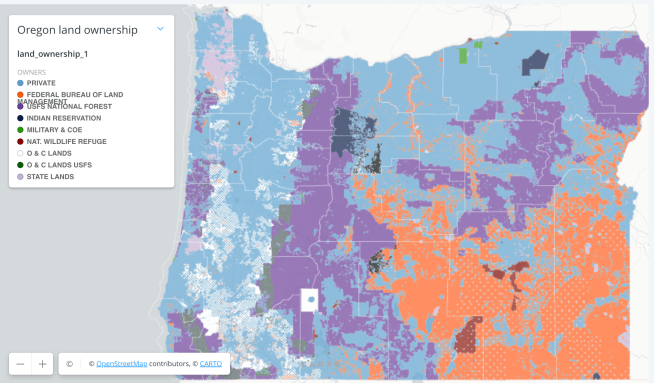
In 1866, 3.7 million acres of lands were granted to the Oregon and California (O & C) Railroad Company by Congress to incentivize the construction of a railroad line from Portland to the California border. In 1869, Congress revised how the grants were to be distributed, requiring the railroad to sell land along the line to settlers in 160 acre parcels for $2.50 per acre. These land parcels lie in a checkerboard pattern throughout eighteen counties of western Oregon with alternating sections owned by the railroad company and the federal government (BLM). It became difficult to sell to actual settlers because the land was heavily forested, rugged and remote — not ideal for homesteading. The railroad companies soon realized that the land was much more valuable if sold to timber companies in larger plots. A grand scheme to circumvent settler grants and instead sell to timber companies ensued and by the time the scandal was uncovered in 1904, more than 75% of the land sales had violated federal law. Following a lengthy trial in which 26 indictments resulted in the convictions of politicians, congressmen, attorneys, and land surveyors, the federal government took back, or revested, the remaining land in 1916. Since 1916, 18 Oregon counties have received payments from the federal government at 50% share of timber revenue on those lands. As timber revenue decreased, the government added federal revenues to make up the losses to the counties. Several of those counties have come to rely on that revenue as an important source of income for schools and county services. The “timber wars” continue today.

U.S. Land Management Today

Fast forward to today and we find the U.S. to be a patchwork quilt of land owned by private, state, and federal interests. Our federal lands are managed by the following agencies whose priorities change at the direction of the current U.S. president and their administration leaders. I’ve listed below only the federal departments and agencies that are involved with land management to show their structure, relationships, and purpose. Inset bureaus and agencies are embedded within the department they fall under. Many land and natural area designations are managed collaboratively by both federal and local entities.

  • Department of Interior (DOI) —Protects and manages America’s natural and cultural resources and plays a central role in how the U.S. stewards its public lands.
    • Bureau of Land Management (BLM) — Originally titled the General Land Office (see above). Created to support the goal of westward migration and homesteading. Today, the BLM manages ~10% of public land and ~30% of mineral estate (surface land may be sold with the BLM retaining the underground mineral rights). This land was originally described as “land nobody wanted” because homesteaders passed it by. Now, ranchers hold leases and permits to graze cattle on 155 million acres.
      • National Conservation Lands — Includes National Monuments, National Conservation Areas, Wilderness Areas, Wilderness Study Areas, Wild and Scenic Rivers, National Scenic and Historic Trails, Conserved Lands of the California Desert, and more.
        • Most Oregon and California (O & C) Revested Lands (see also USFS below) — The history of this land designation is summarized above under “Settlement in the Oregon Territory.” 2.4 million acres remain of the original O & C lands. These are multi-use lands including forests, recreation areas, mining claims, grazing lands, cultural and historical resources, scenic areas, wild and scenic rivers.
    • National Park Service (NPS) — Manages 433 individual parks covering 85 million acres in all 50 states. Includes National Parks, National Monuments, and other natural, historic, and recreational properties with various title designations.
    • U.S Fish & Wildlife Service (USFWS): —The nations oldest conservation agency, dating back to 1871, whose primary responsibility is the conservation and management of fish, wildlife, plants and their habitats.
      • National Wildlife Refuge System — Includes more than 570 refuges in the U.S., this system, founded in 1903, was established to conserve native species.
  • Department of Agriculture (DOA or USDA) — Provides leadership on food, agriculture, natural resources, rural development, nutrition, and related issues. Includes 29 agencies including the following related to land management:
    • Natural Resources Conservation Service (NRCS) — The USDA’s primary private agricultural lands conservation agency. They generate, manage, and share data, technology, and standards that enable partners and policymakers to make decisions based on objective, reliable science.
    • U.S. Forest Service (USFS) — Provides leadership in forest research including sustainable management, conservation, use, and stewardship of natural and cultural resources. Administers 154 national forests and 20 national grasslands (~25% of national lands).
      • Some Oregon & California (O & C) Revested Lands (see also BLM above) — Running across sections of seven National Forests in Oregon are the remainder of almost a half million acres of O & C lands. These holdings are different from BLM O & C lands in that they overlap with National Forest land and so are managed and governed by the USFS, yet remain O & C territory for the purpose of revenue sharing to the O & C counties. They include designated Botanical, Research Natural Areas, National Wild and Scenic Rivers, and Inventoried Roadless Areas. They are referred to as “controverted” lands by timber lobbyists and those who want to include them in BLM O & C legislation in order to avoid National Forest regulations.
  • Department of Defense (DOD) — Provides the military forces needed to deter war and ensure our nation’s security. Includes ~27 million acres of land on 338 military installations.The Sikes Act of 1960 requires the U.S. Fish and Wildlife Service, State Fish and Wildlife agencies, and military installations across the nation to work collaboratively to conserve natural resources. These lands support the preservation of ecologically important native habitats making military installations somewhat of a haven for fish, wildlife, and plants.
    • Army Corps of Engineers (USACE) — Comprised of both civilians and soldiers, there are three main branches: the Engineering Regiment, Military Construction, and Civil Works. The Engineering Regiment and Military Construction branches manage the engineering needs of the military. The Civil Works branch has three arms: navigation, flood and storm damage protection, and aquatic ecosystem restoration. This branch also oversees the Clean Water Act. As the nation’s environmental engineer, they restore degraded ecosystems, construct sustainable facilities, regulate waterways, manage natural resources, and clean up contaminated sites from past military activities. Other activities include: dredging waterways, devising hurricane and storm damage reduction infrastructure, protecting and restoring the nation’s environment along many major waterways, clean hazardous, toxic, or radioactive waste sites.
  • Environmental Protection Agency (EPA) — Has a broad mission to “protect human health and the environment”. To accomplish this they write and enforce regulations to implement laws written by congress, give grants, study environmental issues, work with partnership organizations, teach, and publish information.
  • Oregon Department of State Lands (DSL) — Upon each state’s admission to the union, the federal government ceded to the state two sections of each township to generate revenues for a Common School Fund, a trust fund for the support and maintenance of public schools. In 1859, Congress granted Oregon 3.4 million acres of land. Today, approximately 681,000 acres of school lands remain. These lands are managed by the State Land Board which leases and sells land to generate revenue for the Common School Fund.

Interestingly, when you read the mission statements of many of the above organizations, they mention caring for and restoring the land, protecting native species and their habitats, cultural heritage, etc. — goals we inherently know to be necessary and good. Yet many call out that this work is “in service of the American people”. It is clearly evident that we have long lost sight of the fact that people share the Earth with countless other living beings: the plants, animals, fungi, bacteria and protists. These mission statements need to be rewritten to state their work is “in service of all life on Earth”. I would also suggest that these organizations, who oversee the stewardship of our remaining public lands, should somehow be disconnected from the vagaries of our political process in order to gain stability and a long-lasting commitment to preservation.

In addition to the federal agencies, there are also approximately 13,000 Non-Governmental Organizations (NGOs) listed as operating in the U.S. that focus on protecting Earth’s environment. How is it that so many governmental and non-governmental organizations exist, many with essentially the same mission statements and yet, still, our Earth’s natural environment continues to be degraded to the point where we are held to bear witness to the sixth major extinction of species? Why is it that non-governmental organizations, sometimes find it necessary to file lawsuits against our governmental organizations for their failure to follow their own regulations designed to protect the environment? Why is it that we continue to allow for business interests of all kinds to operate on land in a way that knowingly destroys and pollutes habitats, greatly contributing the decline of species?

Broken Relationships, the Deeper Problem

In this time of rapid climate change, sea levels are rising and land that humans have built their structures on and assumed “ownership” of, is being reclaimed by the oceans. Weather has become more extreme with both droughts causing unrelenting thirst and loss of life due to the lack of water, and flooding causing a sudden sweeping away of the lands’ table-setting, leaving behind devastation and ruin. Wildfires that used to be natural and beneficial to the land are now more intense, burning both forests and urban areas, consuming anyone who cannot move out of the way fast enough, destroying habitat, and releasing toxic particles into the environment. The earth is being enveloped in a permanent layer of plastic, its micro particles now found within the bodies of all animals, including us. Humans are finally coming around to making the connections between our past and current behaviors and the health of the planet, forcing a re-think of our individual relationships to the land and how we care for it. Our current relationship to the Earth is broken — so too, many of our human relationships are broken. Our Civil Society is fraying; many of our actions can no longer be considered “civil”. Is there a connection? This moment calls for each of us, as individuals, to reflect on how we can repair these broken relationships. Many among us are showing the way — it’s time to listen and engage in reparation.

Making the Connection

Coming back around to the wisdom of Aldo Leopold, who echoed the wisdom of Indigenous Peoples, the original stewards of the Earth’s gifts, by promoting understanding of what he termed the “Land Ethic”. This term is best defined on the Aldo Leopold Foundation website:

A land ethic expands the definition of “community” to include not only humans, but all other parts of the Earth as well: soils, waters, plants, and animals — “the land”. In a land ethic, the relationships between people and land are intertwined; care for people cannot be separated from care for the land. Thus, the ethic is a moral code of conduct that stems from these interconnected caring relationships.

Many other voices have since joined Leopold’s in reminding us of our place as part of Earth’s community. Robin Wall Kimmerer, in her best selling book Braiding Sweetgrass, shows us how, through the lenses of both science and traditional ecological knowledge, we can come to embrace a reciprocal relationship with the rest of the living world — we should not only take what is given from the land, but also show gratitude for the gifts and give back to the land in the form of tending and protecting. We must continue our push to understand the complexity and connections of the natural world while also listening to the indigenous voices among us who continue to share their ancestral knowledge of how to tend and protect the land. We are starting to listen and remember those lessons. As Kimmerer points out, “each of us comes from people who were once indigenous”.

Listen to the voices of those among us, human and non-human, who are showing the way. There’s Suzanne Simard, author of Finding the Mother Tree, and her work to enlighten us on the lives of trees and their large, interconnected community. There’s Merlin Sheldrake, author of Entangled Life, and his insights, amazing photos and education about the complex lives of fungi in the soil and how it supports and sustains nearly all living systems. There’s Zoë Schlanger, author of the newly published book The Light Eaters, opening our understanding of the complex lives of plants. And, when we take the time to pause and listen, we’ll hear the voices of our non-human relatives sharing how they collaborate within their communities to care for the land. Scientists and writers are sharing with us the gift of their hard work in uncovering the mind-blowing agency, intelligence, and consciousness of the living world. It is incumbent on all of us to pay attention and come together to stop harming the land and to instead start nurturing it.

Even those who deny knowing it, know that the earth’s resources are limited. Healing begins with recognizing there must be limits to our taking and over-consumption, acknowledging that it is possible for all people to work in community for the common good. We must agree that our land is a common resource needed for all beings to thrive, and care for it as we care for other things that we value dearly. Yes, we may have paid money to live on a piece of property, but what we have agreed to in that purchase is not only the right to set up a home or business in an allotted space, but also a responsibility to be good stewards of that section of the earth — to care for and tend that section of land so that all life can thrive.

Just as the trauma of past injustices and slaughter lives on in the DNA and spirit of the Native American peoples of today so, too, does the trauma live on in the DNA and spirit of the bison and other animals nearly hunted to extinction by humans. Bison now not only watch over their shoulder for their usual predators, but also keep an eye out for the two-legged predator carrying a gun. How can reparations be made? We cannot undo the destructive actions that were taken by our ancestors in the past, but we have the agency to acknowledge the pain and injustice brought upon so many beings and commit now to act to protect Earth’s precious resources that are necessary for all life to thrive.

We must first come together in common cause, to protect earth’s remaining intact natural habitats. Secondly, we must restore degraded habitats, as best we know how, to a semblance of what they once were in order to provide opportunity for life to thrive. Thirdly, we must educate others of the necessity of this work. Lastly, let us lend our voices to the voiceless — the furred, the feathered, the scaled, the antennaed — in advocating for their needs. They have been missing from the stakeholders table where property rights decisions have been made. Let us sit at that table for them and speak up for the protection of their homelands, as well as our own. Join us, won’t you?

References

Know your Estuaries

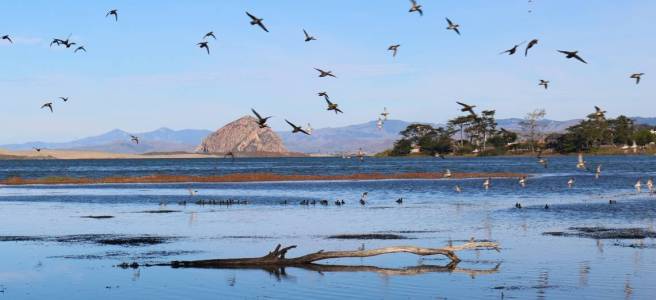
Estuaries are one of the “in-between” places, a liminal space, a place where there’s a mixing of elements, a necessary cooperation among those who call them home, a toughness of spirit to live in conditions outside the norms. They are vital to the health of marine ecosystems. They hold the space where a river meets the ocean. They hold a mix of freshwater that includes nutrients, pollutants, and soils collected from the rivers, creeks, and streams of the land as well as saltwater from the sea. The high nutrient load coming from the rivers, mixed with tidal flows and plenty of sunlight make estuaries an ecosystem where numerous organisms can thrive. They provide a necessary shelter and refuge for many species of migratory animals, serving as nursery and feeding grounds for many fish and shellfish. They help to buffer the impacts of climate change by moderating storm surges and sequestering carbon. The combination of physical complexity which provide numerous habitat types and abundance of food make estuaries a biodiversity hotspot.

Estuaries are physically complex; there is high variability in both the physical geomorphology and the salinity gradients found in estuaries. Dense, salty seawater flows in during a high tide and sinks to the bottom of the estuary. Warmer, less-dense, freshwater from rivers flow into and over the salty layer. Physical features include deep channels, shallow brackish waters, rocky reefs, exposed sand and shell banks, and intertidal sand and mud flats. Once or twice a day, tidal currents move salt water into and out of the estuary. The amount of mixing of these two different waters is dependent on several variables including the speed and direction of the wind, the tidal reach, the estuaries shape, and the volume and flow rate of river water entering the estuary.

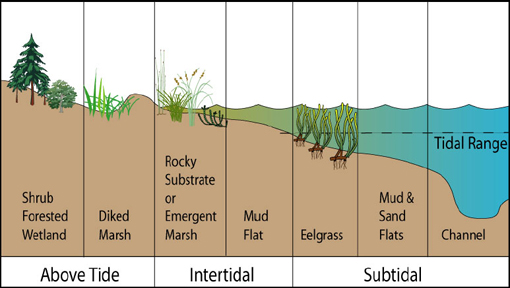
This environment creates a variety of unique habitat types that have allowed for a rich biodiversity of life to evolve, adapt, and interconnect. These organisms interact as if in an intricate dance, moving in and out of various spaces and switching partners as a better opportunity presents itself. Each dancer has a role to play on this estuarine dance floor. The evolution (or coevolution) of each species to begin life, grow and thrive, allowing for reproduction before dying, has given an opportunity for this disparate mix of organisms to create a beautiful dance movement on this estuarine stage. Let’s zoom into an Oregon coast estuary and take a virtual spin around this stage to better understand the physical space and the dynamics of the life it supports.

Image from Ecosystems Lesson: generationgenius.com

Open Water Habitat

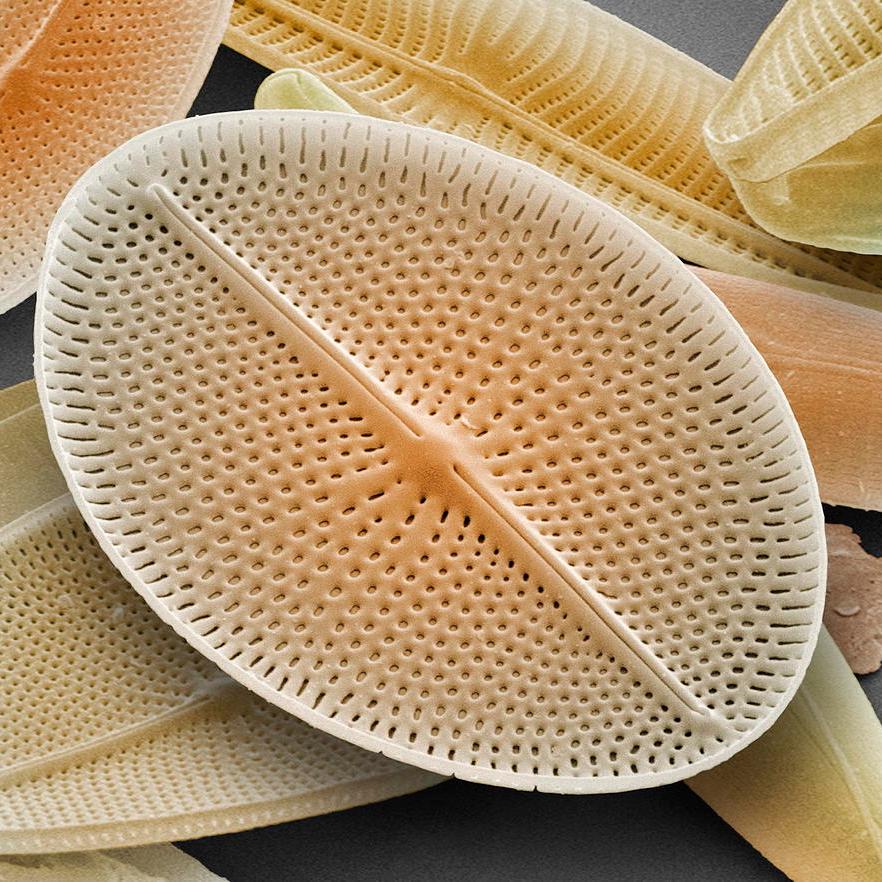
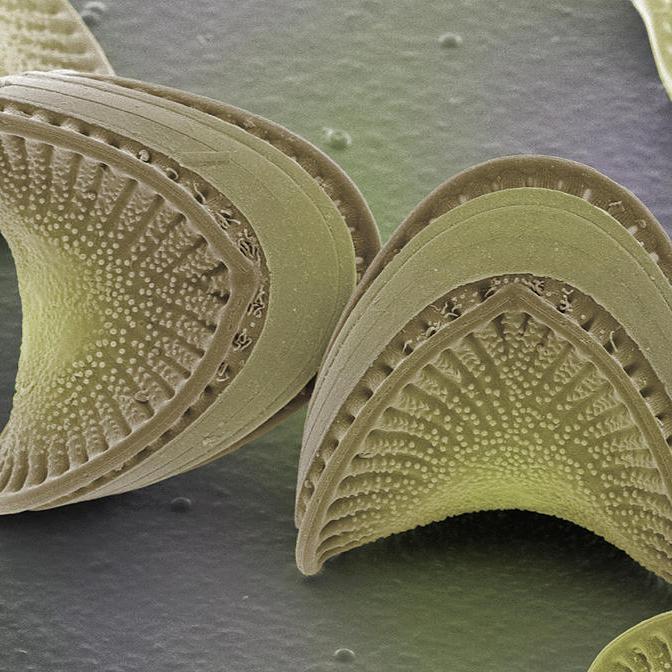
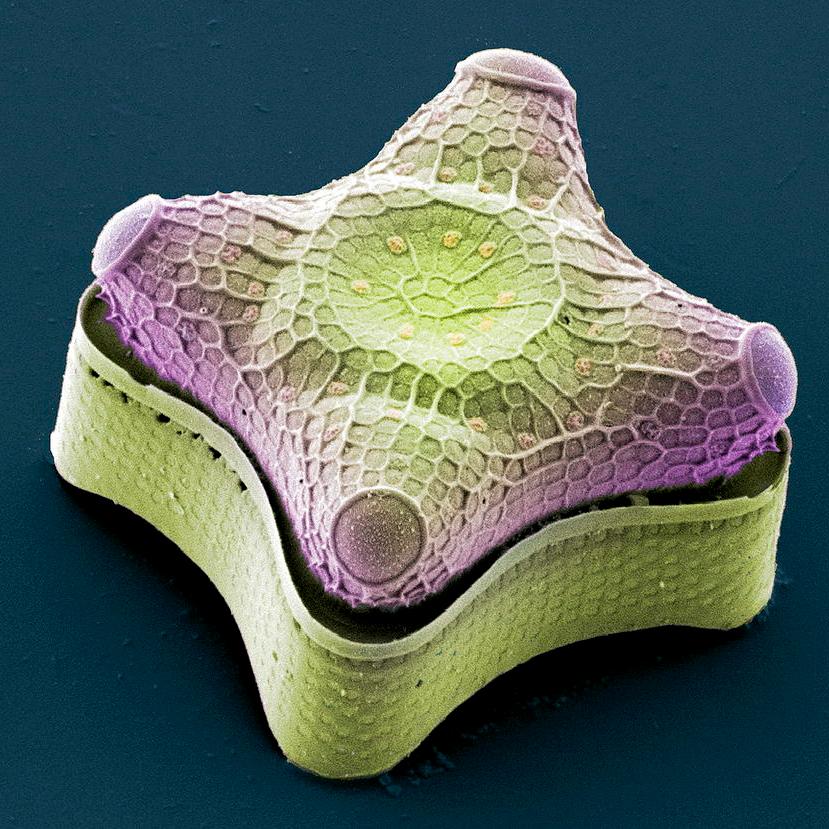
The open water habitat is dominated by that which we cannot see — phytoplankton and zooplankton. Plankton refers to organisms, typically microscopic, that cannot swim on their own and tend to drift with the currents and tides, however some larval species have mechanisms to resist being swept out of the estuary. They are the tiny plants and animals rarely seen or considered; yet they are the organisms that are the basis of all life on Earth. Phytoplankton, including diatoms, dinoflagellates, and other protists (a diverse collection of organisms that are not animal, plant, bacteria, or fungi), are anchoring the base of the food web. Their numbers vary seasonally. A rich diversity of zooplankton also occupies the estuarine open water, some temporarily and some permanently. Their numbers can vary substantially on a tidal and seasonal basis. They include copepods, hydromedusae (tiny transparent jellyfishes), larvae of barnacles, crab, and shrimp, larval and juvenile forms of fish species, etc.

A very unique and interesting habitat within any open water area is the surface microlayer (called the sea surface microlayer in the open ocean).The surface microlayer is a hydrated, gel-like boundary layer composed of carbohydrates, proteins, and lipids about 1 mm thick. It is where chemical gas exchange occurs between the atmosphere and the underlying waters — measurably distinct chemical, physical, and biological properties are found in this layer as compared to the underlying water. Living within this thin surface microlayer — on top, attached to the underside, or within the layer, — is a distinct microbial community of organisms collectively termed neuston. Neuston in estuaries include microscopic and macroscopic phytoplankton, bacteria, protists, and a wide variety of zooplankton. In late spring and summer, neuston are blown into the estuary from the open ocean and are thought to contribute to the food web of the organisms that inhabit estuaries. The neuston provide a food source for the zooplankton lower in the water column as well as for migrating birds.

Actively swimming organisms are referred to as nekton. In an estuary, this group includes mainly mysids (small, shrimp-like crustaceans that feed on algae, detritus, and zooplankton) and midwater fish. Mysids are sensitive to water pollution so are sometimes used as an indicator species for water quality. The mysid species found in estuaries can tolerate salinity conditions that range from freshwater to entirely marine. Estuaries provide refuge and feeding grounds for the postlarval, juvenile, and adult stages of numerous fish species including perch, herring, smelt, shad, anchovy, salmon, cutthroat trout, etc. Seals, sea lions, and occasionally whales will move into estuaries from the ocean, seeking food and shelter. They are also known to serve as nurseries for some species of juvenile fish. In general, the types and numbers of fish species varies seasonally with the highest numbers in the summer months and the lowest numbers in the fall and winter.

Eelgrass Habitat

Oregon’s native eelgrass beds, Zostera marina, play a significant role in our estuarine environment. Yes, this plant is a keystone species. They are found in the lower intertidal zones and are exposed only during the lowest of tides. This flowering plant requires cold water (50 – 60oF) in order to thrive and can grow to over 6 feet tall. They form dense meadows that provide organic matter to the food web, stabilize sediments, absorbs CO2 and methane, trap detritus, improves water quality and clarity, absorbs pollutants which helps prevent algal blooms, and provide shelter and forage habitat for invertebrates and fishes.

The eelgrass meadow habitat is highly complex and biologically diverse. Only waterfowl directly consume the eelgrass blades, but many organisms consume it once it has broken down into detritus. Epiphyte is the term used for any fixed organism living on the surface of a plant. On eelgrass blades, algae is the most abundant epiphyte and serves as the base for many food webs. It is directly consumed by grazers such as snails and sea slugs. Other epiphytes include bacteria, fungi, sponges, hydroids, crustaceans, etc. Over time, as the epiphyte load on the grass blade increases, the blades slough off the plant which then allows more light to reach the plant. In a healthy eelgrass ecosystem, the epiphyte/grazer/predator interactions keep the system in balance. Too much algae (caused by too many nutrients entering the system — think fertilizers) can lead to die-offs if the plant cannot receive enough light. At high tide, weaving in and out of the blades, a diverse group of nekton dance on this stage, feeding and sheltering. In Oregon, you’ll find juvenile rockfish, Bay pipefish, Shiner surf perch, Saddleback gunnel, among others. On cue, migratory birds swoop in to sit at this table.

Pacific herring swoop in to the eelgrass beds in mass along the Oregon coast and during one day in February lay enough eggs on the eelgrass to totally change the color and appearance of the beds. This spawning activity does not go unnoticed by other living creatures. The herring lay their eggs in one day and then are gone but on that day, seals, sea lions, cormorants, surf scoters and other animals descend to feed on the herring. Estuaries are THE most biologically productive areas on the planet!

Tidal Channel and Subtidal Habitat

Upland creeks drain higher areas of the coast toward the ocean shore and at some point they become tidal — this is where the tidal channel habitat comes onto the stage. These areas form as the tide ebbs and allows the river to incise a channel as it flows from the inland to the shore. When the tide comes in, large areas of water can be filled with the mix of salty and fresh water — a twice-daily show. High tidal flow will maintain the channel whereas slower flow velocity will lead to the channel filling with sediment.

Once again, we find a high level of species diversity in the tidal channels and subtidal habitats. Subtidal zones are the area close to shore that remains constantly submerged. Bull kelp can be torn loose from rocky reefs outside the estuary during storms and carried into estuaries, their strong holdfasts often still carrying with them the rocks they’re attached to. These rocks collect in the subtidal sand and mud to add to the habitat structure. The biological assemblage dances on and off this stage in response to seasonal and annual differences in the extent of oceanic influences and freshwater input. Dominating the subtidal zone are the infaunal (burrowing) invertebrates. Common epifauna (living on the surface sediment) are shrimp, crab, snails, bivalves, sea cucumbers, sand dollars, etc. Sea pens are an important emergent species found only in quieter subtidal habitats with muddy bottoms. Common fish include several species of flatfish, and burrowing forage fish such as Pacific sand lance and sandfish that like to cover themselves to hide in the sediment. Both juvenile and adult Dungeness crab forage here and may hide in the soft sediments. Many juvenile fish species use this habitat as a nursery area and become prey themselves for larger fish and birds.

Sandflat and Mudflat Habitats

Here in the sandflats and mudflats of the estuary, the scene on the stage also changes twice daily. As the tides ebb and flow, these habitats are either covered in water or exposed to the atmosphere. Mudflats are composed of very fine grain particles and can be found in the more sheltered areas, typically where rivers are making their entrance and depositing their load of sediment as they reach a place of a lower energy. Polychaete worms (marine/estuarine worms called “bristle worms”), snails, and molluscs (burrowing clams and shrimp) are happy here along with the ubiquitous microalgae, diatoms, bacteria and others. Sandflats are typically found closer to the open ocean where wave action prevents the deposition of finer silt. Here, looking closely, you will find more crustaceans, and scanning the horizon, you will see the shorebirds coming in to dine on those crustaceans.

Salt Marsh Habitat

At the fringe of our estuarine stage, above the tidal flats and below the uplands, lie the salt marshes. Think of this space as the ecological guardian of the coast. These coastal wetlands are flooded and drained by the tides, exposing a surface of deep mud (often with a high salt content) and thick peat (decomposing plant material). Tangled marsh plant roots help to stabilize the muddy bottom and trap debris. Salt marshes protect shorelines from erosion by creating a buffer against wave action. They also mitigate flood waters, filter runoff and excess nutrients, serve as carbon sinks, and provide a big assist in maintaining water quality. Crab, shrimp, and many finfish enter the salt marshes looking for shelter, food, and nursery grounds. A variety of invertebrates inhabit the salt marsh community, however, there is less diversity and biomass as compared to adjacent tideflats and channels. Migratory birds also use the salt marshes for resting and forage habitat.

The habitats I’ve described above are all found on the stage of the estuary. However it is important to recognize that this stage is actually a complex mosaic of ever-changing scenes with Mother Earth and her moon operating as stage managers. The open ocean water enters and leaves at the direction of the moon with the sandflats, mudflats and eelgrass appearing and disappearing on cue. Earth conducts the rest of the variables that shape the estuary; rainfall drives water and sediment input from inland rivers leading to expansion or shrinking of the stage while the rivers’ energy carves the channel. Wind and waves force ocean water with it’s associated components into the estuary. The cast of characters have been dancing in their roles for thousands of years and have adapted their responses to this direction. Each depends on the other to play their roles so that all can thrive.

Estuary Habitat Use by Mammals

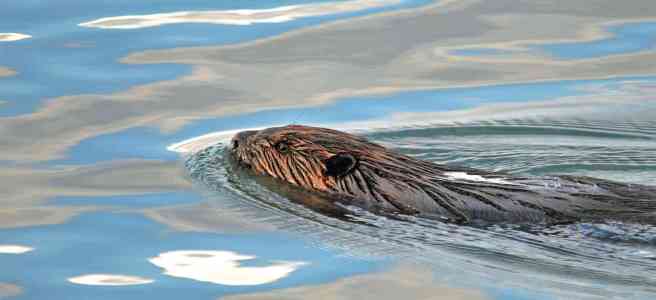
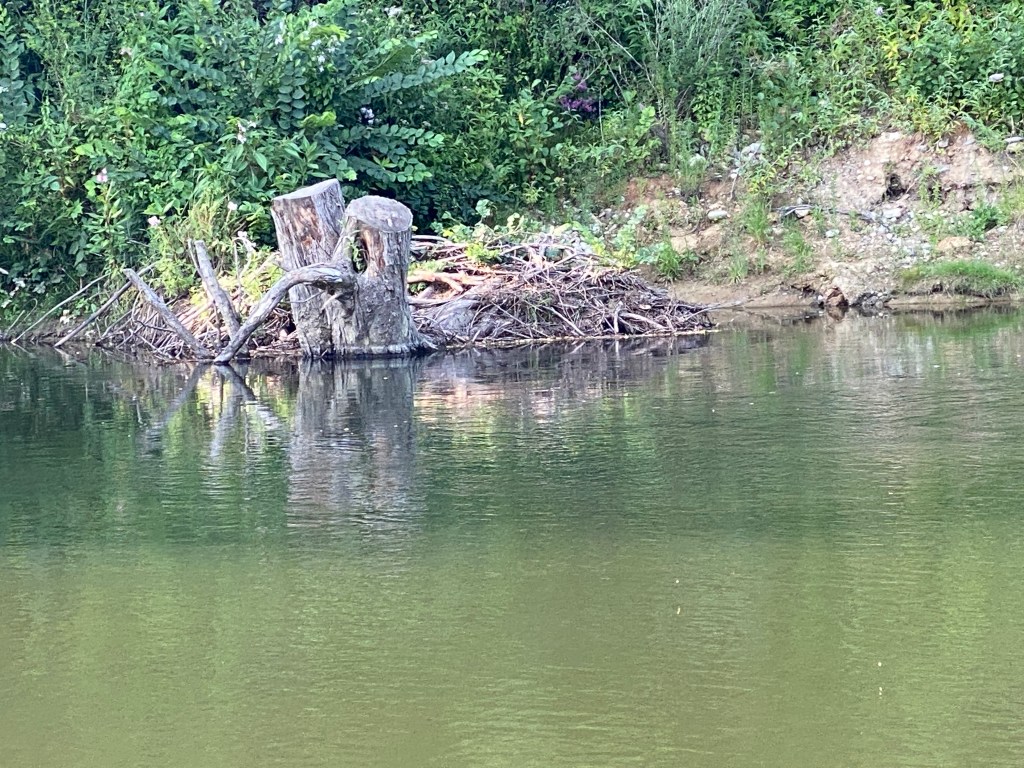
Numerous land, river, and ocean mammals come to eat and shelter at the estuary margins, including elk, bear, deer mice, vagrant shrew, racoon, deer, beaver, muskrat, nutria, river otter, harbor seals, sea lions, and occasional juvenile elephant seals. Beaver often set up shop along the shorelines of estuaries, building dams in the tidal creeks and freshwater wetlands which flood and provide pond habitat for many other species to thrive (read more about the amazing engineering feats of beaver in my previous post “Beaver: the Ultimate Keystone Species“).

Invasive Species

To the surprise of no one, you’ll have no trouble finding invasive species in an estuary environment. Invasive species have exploded globally over the last several decades and are a significant driver of native plant and animal extinctions. Globally, at least $423 billion is spent annually in an effort to control the worst of them. Invasive species are opportunistic organisms that are filling a niche that was created for them by humans, often by tagging along from one location to another on transport carriers (such as boats), or having been purposefully introduced to a new habitat location in which the alien species has no predators and causes fatal disruptions to local food webs. Commercial oyster cultivation practices provide another mechanism for the introduction of invasive species in estuaries through importation of non-native seed oysters. Keep in mind that, in general, although some invasive species can take over and totally alter a habitat in a destructive way, others may alter a habitat in a way that is different but not necessarily destructive, or may even be totally benign.

And so, dancing uninvited onto our estuarine stage along the Oregon coast you’ll find these characters, among others:

  • European Green Crab — native to Europe, these crabs have been introduced to many coastlines around the world, likely by hitching a ride in the ballast water of ships. They were first observed in San Francisco Bay in 1989 and expanded upward to the Oregon coast and beyond in 1997. They are voracious predators that feed on muscles, oysters, crabs, shrimp, small fish, and a variety of other small marine organisms. They also bite the base off native eelgrass, effectively killing the plant. On the west coast, they have been limited to upper estuarine environments, in part because of predation by native rock crabs and competition for shelter with a native shore crab. But as their populations grow, this situation is changing and being closely watched. I recommend watching Oregon Public Broadcasting’s short video: Green Crabs are Invading the Pacific Northwest Coast
  • Japanese eelgrass — it is thought that this species was introduced to the Oregon coast through commercial oyster cultivation activities. In Oregon estuaries, this species has changed thousands of acres of mudflat habitat into rooted aquatic vegetation and dramatically changed the composition of infaunal invertebrate communities. Results of experiments in South Slough suggest that dense beds of Japanese eelgrass modify the intertidal mudflats and serve as a refuge for some species (Polychaetes) but may increase mortality of others (juvenile crabs).
  • Atlantic smooth cordgrass — this species first arrived on the West Coast in Willapa Bay, WA over a century ago and has been spreading rapidly in WA and OR. It reduces mud flat habitats, disrupts nutrient flows, displaces native plants and animals, alters water circulation, and traps sediments at a greater rate than native plants, altering the elevation and the resulting habitats. This is similar to the process humans have used of diking and draining that has been used to create agricultural land.

Making the Connection

As the sun starts to slip behind the western horizon, the curtain begins to draw over the estuary. Some creatures tuck away into their sheltered niches to await a new day, some nocturnal types stir in anticipation of the “after dark” show. Estuaries themselves have a life cycle. They last arose about 12,000 years ago as natural climate change shifted global temperatures causing glaciers to recede and sea levels to rise. Our estuaries of today have remained relatively stable (with the exception of human interventions such as diking and filling) for the past 6,000 years. Once formed, estuaries become traps for sediments carried in by rivers and sand from the ocean floor carried in by tides. In mid-life, estuaries become more complex, allowing for colonization of new plant and animal communities and their evolution to the changing environment over time. The pace of change is driven by how quickly the estuary fills with sediment — if more sediment comes in than goes out, the estuary will eventually fill and become dry land with river channels being diverted to birth a new estuary. However, an estuaries’ life may also end abruptly due to tectonic activity — earthquakes that suddenly raise the land, for example, cutting it off from tidal activity.

Human impact can shorten the natural life span of an estuary. Sedimentation is sped up by tree and brush removal for logging or development. Excess nutrients from fertilizers lead to algal blooms which deplete the water of oxygen and release deadly toxins. Toxic substances like chemicals and heavy metals that enter our waterways through industrial discharges, yard runoffs, streets, agricultural lands, and storm drains have the greatest negative impact on the health of estuaries. These substances are toxic to all estuarine life and they make their way from the bottom to the top of the food web. And, as we humans consume some of these organisms, those toxins are coming back to us.

Climate change is driving warming and acidification of our oceans. As glaciers and the polar ice caps melt, sea level rise causes higher, more extensive inundation of ocean water into the estuary, altering the delicate balance of plant and animal interactions. More frequent and extreme weather events compound this problem by forcing increased sediment-filled river runoff and altering hydrology patterns.

The choices we make every day, what we chose to consume, what we chose to discard, how we regard and show respect for the natural world, or disregard and turn a blind eye to the destruction being wrought, ripples out into the world from wherever we are. Those ripples reach the estuaries through the water all around us, through the atmosphere we are impacting. Many people have experienced the beauty and dynamics of an estuary, however many others have never had this opportunity. Yet the choices of each and every person send out the ripples. There are national and local networks in place that provide funding to conduct critical research and recommendations on how we can protect these essential habitats, yet it is knowledge and education that drives people to make better choices for our natural world. By sharing this post, you are sharing some of the necessary education — thank you!.

References

COP15 Summary: The World Coming Together for Biodiversity

The UN Biodiversity Conference including the fifteenth Conference of the Parties (COP15) recently concluded in Montreal, Canada. The main objective of this meeting was to adopt the post-2020 global biodiversity framework — a strategic vision and global roadmap for the conservation, protection, restoration, and sustainable management of biodiversity and ecosystems for the next decade. This is critically important work that I wanted to shine a light on.

The Convention on Biological Diversity includes 196 parties; every country in the world except the United States and the Holy See (the U.S. isn’t a party to the convention because Republicans, who are typically opposed to joining treaties, have blocked U.S. membership. The American delegation can only participate from the sidelines). The U.N Secretary General, António Guterres, stated in his opening remarks: “With our bottomless appetite for unchecked and unequal economic growth, humanity has become a weapon of mass extinction”. Katharine Hayhoe, chief scientist at the Nature Conservancy and prominent climate researcher.explained “Climate change presents a nearer-term threat to the future of human civilization. The biodiversity crisis presents a longer-term crisis to the viability of the human species.” Humans are responsible for driving climate change and biodiversity loss through the overconsumption of Earth’s resources.These two threats are interconnected and must be addressed together. It is important to note that we are locked into the climate we have created for the next thousands to millions of years. Every day that we continue to dump greenhouse gases into our atmosphere only compounds the severity of climate change effects that we are facing.

The planet is currently undergoing its sixth mass extinction.The cause is undeniable; humans have taken over too much of the planet and disrupted or destroyed the habitats of our plant and animal partners. Climate change and other pressures exacerbate the problem. Most of the land grab is taken for agriculture, like clearing forests to graze cattle or plant crops, or to build cities and roads. The human population just surpassed 8 billion people and per capita consumption continues to soar. The global rate of species extinction is already tens to hundreds of times higher than the average rate over the past 10 million years and is accelerating. If you are already aware of the magnitude of this species’ slaughter or have a hard time stomaching the numbers, feel free to skip this list. The data is sobering — here’s a sampling of it:

  • A million plants and animals are at risk of extinction, many within decades.
  • 75% of Earth’s land surface is significantly altered, 85% of wetlands have been lost.
  • Marine plastic pollution has increased tenfold since 1980, affecting at least 267 species, including 86% of marine turtles, 44% of seabirds, and 43% of marine mammals.
  • Nearly one-fifth of Earth’s surface is at risk of plant and animal invasions, impacting native species, ecosystem functions, and nature’s contributions to people. The rate of new invasive alien species is higher than ever and shows no sign of slowing.
  • Approximately half of the live coral cover on coral reefs has been lost since the 1870’s, with accelerating losses in recent decades due to climate change exacerbating other drivers.
  • The average abundance of native species in most major terrestrial biomes has fallen by at least 20% (mostly since 1900), potentially affecting ecosystem processes.
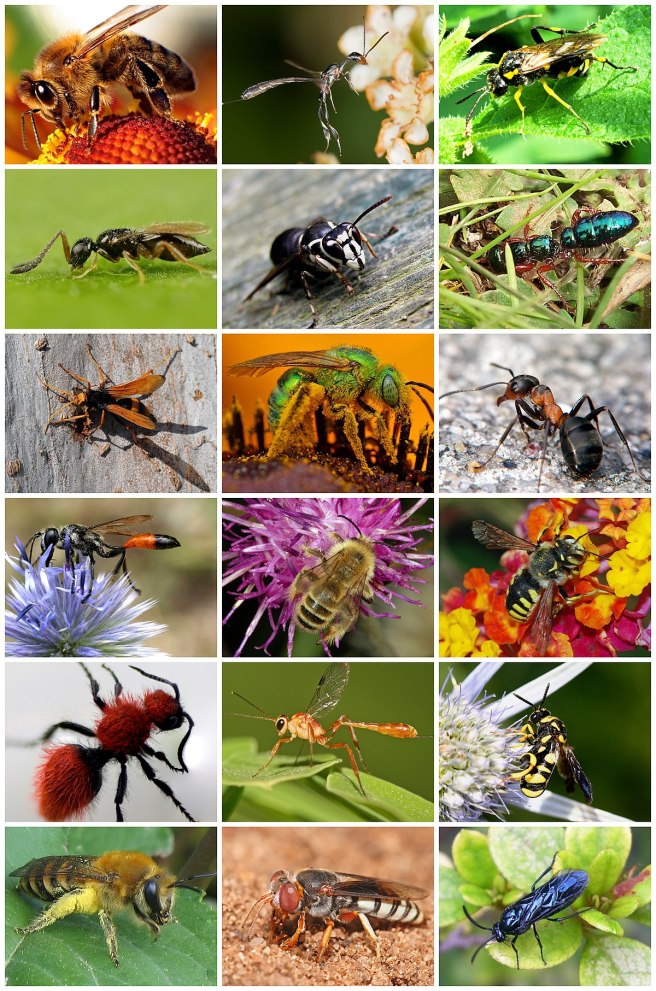
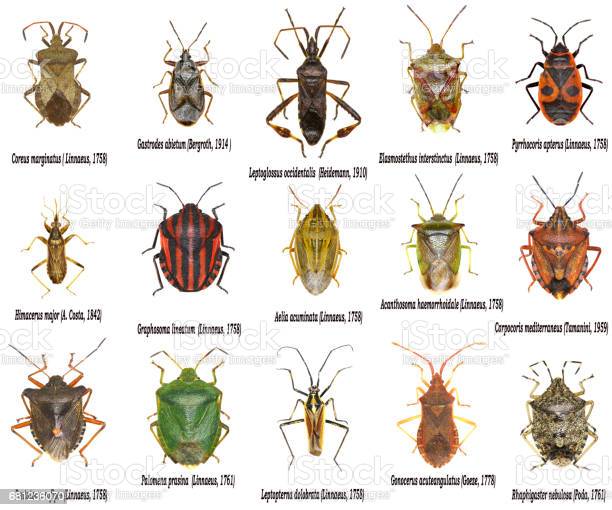
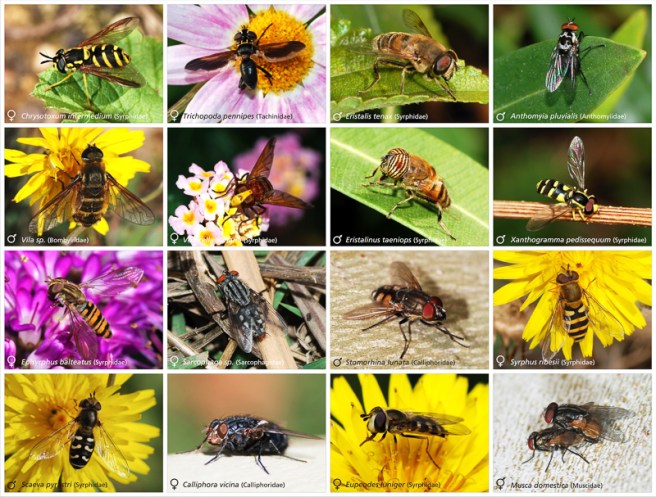
  • Rapid declines in insect populations is well documented in some areas, although global trends remain unknown.

In order to avoid dropping into the depths of despair and hopelessness when facing this reality, it’s helpful to focus on some of the current global efforts being made by individuals and organizations to alleviate or reverse biodiversity loss and mitigate the affects of climate change. Here are just a few examples:

  • With the help of The Nature Conservancy and Blue Bonds for Ocean Conservancy, Belize is able to restructure much of the country’s debt and generate $4 million annually for environmental protection over two decades.
  • In Canada’s far north, Inuit leaders are working to restore caribou herds that have been in steep decline.
  • The United Nations is creating a binding framework by the end of 2024 to guide the elimination of plastic pollution. It declared access to a clean, healthy, and sustainable environment a universal human right.
  • Brazilian citizens have planted over 2 million trees since 2005. Tree coverage has expanded in 36 countries between 2005 and 2020.
  • Argentina has created a new 1.6 million-acre national park incorporating a salt lake and surrounding wetlands providing needed habitat for numerous birds, mammals, amphibians, reptiles, and fish.
  • European bison are being reintroduced in Kent, United Kingdom, as part of a larger project to restore the area’s natural biodiversity.
  • A town in Japan has figured out how to reuse or recycle 80% of it’s waste. South Korea now recycles 100% of its food waste.
  • Since 2001, 195 sites around the world have been certified by the International Dark-Sky Association. These sites limit their light pollution which negatively impacts birds, animals, plants, and ecosystems.
  • Across the country, local watersheds and Land Trusts work tirelessly to conserve and restore thousands of acres of rivers, forests, and wildlife habitat.

And now, after two weeks of negotiations, the COP15 participating governments agreed to a historic deal — the Kunming-Montreal Global Biodiversity Framework (GBF). To quote Brian O’Donnell, director of the Campaign for Nature: “This is a huge moment for nature.”. The GBF consists of four overarching global goals to protect nature: 1) halting human-induced extinction of threatened species and reducing the rate of extinction of all species tenfold by 2050; 2) sustainable use and management of biodiversity to ensure that nature’s contributions to people are valued, maintained, and enhanced; 3) fair sharing of the benefits from the utilization of genetic resources, and digital sequence information on genetic resources; 4) the adequate means of implementing the GBF be accessible to all Parties, particularly Least Developed Countries and Small Island Developing States. The GBF also features 23 targets to achieve by 2030, including:

  • Effective conservation and management of at least 30% of the world’s land, coastal areas, and oceans. Currently, about 17% of land and about 8% of marine areas are protected
  • Restoration of 30% of terrestrial and marine ecosystems
  • Reduce to near zero the loss of areas of high biodiversity importance and high ecological integrity
  • Halving global food waste
  • Phasing out or reforming subsidies that harm biodiversity by at least $500 billion per year, while scaling up positive incentives for biodiversity conservation and sustainable use
  • Mobilizing at least $200 billion per year from public and private sources for biodiversity-related funding
  • Raising international financial flows from developed to developing countries to at least $30 billion per year
  • Requiring transnational companies and financial institutions to monitor, assess, and transparently disclose risks and impacts on biodiversity through their operations, portfolios, supply and value chains

Indigenous populations include about 476 million people living across 90 countries and representing 5,000 different cultures. They manage an estimated 25% of Earths land mass. Yet they are among the worlds most disadvantaged and vulnerable groups due to systemic marginalization. The GBF acknowledges the important roles and contributions of indigenous populations around the world as stewards of nature and partners in its conservation, restoration, and sustainable use.

MAKING THE CONNECTION

The UN Biodiversity Conference has done the work of pulling together the scientific data and the delegates of the world’s countries to set these ambitious, but necessary, goals. Can these lofty targets be realized? We cannot be lulled into thinking that it is now the responsibility of each government to achieve them. Hopefully, our governments will follow through on these commitments and provide the necessary financing, hold companies accountable to sustainability practices, along with enacting laws to conserve Earth’s land and waters for protection.

It is, however, imperative that everyone on earth (yes, that’s me, you, everyone) do their part to meet these goals. We cannot continue to be a part of the problem and hope that someone else will fix the disaster we are creating. Here are just a few ideas for that you can start doing immediately to do your part. Do one or two, or all of them and more — every action you take multiplies the actions others are taking, and this is where the ultimate solution lies.

  • Support and/or volunteer for organizations that conserve and restore lands
  • Reduce or eliminate meat consumption, particularly beef. Adopt a more plant-based diet
  • Create a nature-friendly garden; add native plants including flowering plants that pollinators love, eliminate pesticide use, provide a clean source of water for birds, insects, amphibians. Join the Backyard Habitat Certification Program!
  • Commit to your next vehicle purchase being electric or hybrid
  • Talk to your friends and family about what you are doing to mitigate climate change and biodiversity loss
  • Reduce food waste, compost, grow your own vegetable garden
  • Add solar panels to your home, if possible, or support green energy.
  • Avoid, as much as possible, buying anything plastic. Lots of companies are now producing quality products that are not packaged using plastic — look for them online. Skip the plastic produce bag at the grocery store and bring your own reusable grocery bags to the store with you
  • Buy less and buy wisely — local, seasonal, organic, Fair Trade, Rainforest Alliance, renewable materials, recycled content, etc

REFERENCES

  1. “COP15 ends with landmark biodiversity agreement”. (Dec. 20, 2022). Retrieved from: unep.org
  2. The United Nations Biodiversity Conference”. (December 2022). Retrieved from: cbd.int
  3. Summary for policymakers of the global assessment report on biodiversity and ecosystem services“. (2019). Retrieved from: zenodo.org
  4. Einhorn, C. and Leatherby, L. (Dec. 9, 2022). “Animals Are Running Out of Places to Live” . Retrieved from: nytimes.com
  5. Janicki, J., Daigle, K., and Kiyada, S. (Dec. 23, 2022). “On the Brink”. Retrieved from: reuters.com
  6. Einhorn, C. (Dec. 20, 2022). ” Nearly Every Country Signs On to a Sweeping Deal to Protect Nature”. Retrieved from: nytimes.com
  7. Grandoni, D. (Dec. 19, 2022). “Nations promise to protect 30 percent of planet to stem extinction”. Retrieved from: washingtonpost.com
  8. “World | Points of Progress”. Retrieved from: csmonitor.com
  9. Dunne, D. (July 21, 2022). ” Explainer: Can climate change and biodiversity loss be tackled together?”. Retrieved from: weforum.org

Lessons from the Rocks

What do you think of when you look at a rock? Have you ever picked up a rock that caught your eye and decided to keep it for yourself? What is tugging at you to do that? When I pick up an interesting rock or gaze at a road cut that beautifully exposes the layers of rock, often twisted and folded — what I like to call “tortured rock” — my first thought is usually “What’s your story?”.

This post is a bit different from my past posts. I’m reflecting on just a few of the things I’ve learned by observing, studying, and appreciating geology and rocks. My hope is that it sparks in you the same kind of reflection of what you have learned from observing the world around you. If you love to observe and identify birds, what have you learned from that process other than the names and identifying features of the birds? What connections can you make? If you have additional thoughts on what you have learned from looking at rocks, landscapes, and studying geology please share them in the comments below.

HOW TO BE A DETECTIVE

Much of the study of Geology involves tapping into creative and higher thinking processes to solve the riddle of the rocks. Just like how our own life’s memories become spotty and sometimes warped, with certain events recalled in sharp detail and others either skewed from reality or missing altogether, the rock record displays chapters of the Earth’s life that are sometimes clearly understood (a quick, easy read), sometimes altered (a convoluted mystery), and then there are chapters that are either hidden from view or lost altogether (banned or burned books). The further back in time you look, the less information is available due to billions of years of erosion; you have to be a good detective to uncover the clues and piece together the story of Earth’s history.

With the current rapid retreat of glaciers and melting ice caps, more chapters of Earth’s history are being revealed to us. The new information now available for study may lead to new insights into the Earth’s past. It’s like finding an old photo book from your childhood that had been lost, now calling up old memories — “Oh! I remember that vacation now, but who is that guy standing next to dad?”.

BROADENING YOUR PERSPECTIVE

The geologic timescale and thinking big…really big

As a visual learner, I like seeing spatial representations of the earth’s geologic history. One of the best I’ve seen is located at Fossil Butte National Monument in southwest Wyoming (a place well worth the visit!). The display starts at the beginning of the long road that leads up to the visitor center with a sign indicating the formation of the Earth, approximately 4.54 billion years ago. The timeline is set to scale, with every 9 inches equaling 1 million years of time. As you drive the road toward the visitor center, major geologic and biologic events are displayed — oldest known rocks at 4.055 billion years, photosynthesizing bacteria at 3.7 billion years, oxygen in oceans at 2.5 billion years, sponges and Earth covered in ice at 635 million years, jellyfishes and protective ozone at 600 million years — with a lot of unmarked space between the signs. At the parking area it continues, the signs getting ever closer — trilobites at 520 million years, Gondwana continent and C02 at twenty times today’s level at 500 million years, mass extinction (57% of genera) during the Silurian period, arthropods on land and oxygen at today’s level at 420 million years, mass extinction (83% of genera) and the Siberian Traps (flood basalts) during the Triassic period — the signs placed every few feet as you walk toward the building. At the visitor center, the timeline continues around an outside deck with signs even closer together — grasses and Rocky Mountains at 70 million years, hominid ancestors and the San Andreas fault come in together, the Pleistocene epoch ends with the first eruption of the Yellowstone caldera, and ending in the Holocene Epoch with the appearance of Homo sapiens and the beginning of recorded history. — the signs now very close together and sometimes piled on top of one another, like an overcrowded bookshelf.

It’s difficult for us humans to keep this long-term perspective of geologic time in mind as we make the decisions of today. Our individual minds, of course, only hold the memories of our own lifetimes along with some of the anecdotal stories of our known ancestors. However, we are often better served if we can take a giant step back from current affairs and telescope our minds back into the geologic past in order to get a clearer sense of where we are headed in the future.

CHANGE HAPPENS

Climate change and mass extinctions

As the saying goes, “the only thing you can count on is change” (quote attributed to Patti Smith). The rate of change to Earth’s geomorphology and communities of life happens within a very broad time span; either extremely slowly over very long periods of time (the cooling of a magma chamber, the building of a mountain range), quite suddenly (volcanic eruptions, earthquakes, landslides), or somewhere in between (slow earthquakes, evolution). Most of the changes to life on Earth are a result of climactic changes that stem from both geologic and astronomical processes.

The geologic record holds clues to ancient climactic tipping points that can help inform the course of our climactic warming and mass extinction event currently underway. We see evidence of the most recent glacial periods in our current landscape in the rocks and sediment glaciers left behind, and how these masses of ice cut into the underlying rock leaving behind U-shaped valleys. Evidence of older ice ages is found both in ice and sediment cores as well as in the fossil record, showing where various species of animals migrated in order to escape the ice and cold.

There have been 6-7 major mass extinctions on Earth (with the next underway now) and another 20 minor extinction events. The major extinctions, which terminated between 35-57% of all genera and 75-95% of all species, have all been caused by catastrophic events that suddenly changed the composition of Earth’s atmosphere which lead to rapid atmospheric warming (with one exception that involved rapid cooling). The geologic evidence points to events that disrupted the carbon cycle and carbon content in the atmosphere, such as extremely large meteor impacts and major volcanic eruptions that impacted the entire globe. Another notable commonality in these events is rapid changes in ocean chemistry leading to acidification and devastation to calcite-secreting organisms. The current mass extinction event is being caused by human activities that are (relatively) suddenly changing the climate by imparting too much CO2 into the air as well as causing habitat fragmentation by destruction of nature and severing the critical connections in food webs. All past extinctions were followed by a period of time — hundreds of thousands to millions of years — when microbes alone thrived while the rest of the biosphere struggled to make a comeback. None of the mass extinctions can be fully attributed to a single cause; all involved rapid changes in several geologic systems at one time and involved many of the culprits we are currently familiar with — greenhouse gases, carbon-cycle disturbances, ocean acidification.

Minor mass extinctions are also caused by global warming or cooling events. It has been shown that Ice Ages have occurred every 41,000 years for the past one to three million years. A century ago, a Serbian scientist, Milutin Milankovitch, hypothesized, and later proved through mathematics, that the long-term, collective effects of changes in Earth’s position relative to the Sun are a strong driver of long-term climate and are responsible for triggering the beginning and end of glaciation periods (Ice Ages). He showed how three types of Earth’s orbital movements affect how much and where solar radiation reaches the Earth’s atmosphere. The three orbital cycles are:

  1. Eccentricity: the shape of the Earth’s orbit changes from nearly circular to slightly elliptical on a 100,000 year cycle.
  2. Obliquity: the angle of the Earth’s axial rotation and the cause of Earth’s seasons. Over the last million years, the Earth’s obliquity has varied between 22.1 and 24.5 degrees with respect to the Earth’s orbital plane which affects how extreme the seasons are. Larger tilt angles favor periods of deglaciation. We are currently at an angle of about 23.4 degrees. The obliquity cycle spans about 41,000 years.
  3. Axial Precession: The Earth does not spin perfectly centered on its axis but wobbles, like a slightly off-center spinning top. This is due to tidal effects caused by gravitational forces from the Sun and the Moon that cause the Earth to bulge at the equator. The cycle of axial precession spans about 25,771.5 years.

The small changes resulting from these three cycles operate together and separately, and in conjunction with other Earth processes, to influence Earth’s climate over very long timespans. Milankovitch created a mathematical model to calculate differences in solar radiation at various Earth latitudes along with corresponding surface temperatures. He calculated that Ice Ages occur at approximately every 41,000 years — subsequent research on deep sea sediment cores and ice cores from Greenland and Antarctica have confirmed this cycle from between one to three million years ago. However, starting about 800,000 years ago, the cycle of ice ages lengthened to 100,000 years matching Earth’s eccentricity cycle. Various theories have been proposed for this transition yet there is no clear explanation. Research continues to better understand the mechanisms that drive Earth’s rotation and specifically how Milankovitch cycles combine to affect climate, but Milankovitch’s theory is well-accepted in the scientific community.

Our atmosphere has undergone at least four major changes in composition since Earth’s beginning. The story of the atmosphere is connected with the story of life on Earth; life itself is responsible for our modern atmosphere, generally keeping a stable balance of elements, but occasionally the rock record shows us there were times of atmospheric revolution and ecological catastrophe. We have a direct record of ancient air for the past 700,000 years from gas bubbles trapped in ancient snow which has been preserved as polar ice. For longer timescales, the rocks reveal to us the story of ancient air by providing several clues; the abundance of water, the evolution of life forms, and the emergence of free oxygen (O2) in the atmosphere — evident both in the fossil record and the appearance of iron formations. The appearance of O2 in the atmosphere began with the appearance of cyanobacteria and had such an impact on Earth’s geochemistry that it is named “The Great Oxidation Event” or GOE. The availability of O2 changed the chemical interactions between rainwater and rocks on land, altering the composition of lakes, rivers, and groundwater. The sedimentary rock record shows a change in rock types with more oxide minerals being present. The ozone layer established and shielded Earth’s surface from the ravages of ultraviolet radiation from the Sun, and the elemental exchange opportunities led to a strategic symbiotic merger —a tiny biologic structure that had learned to process oxygen, a mitochondrion, joined with a larger cell that would eventually lead to plants and animals.

Balance and tipping points

If you’ve read Malcolm Gladwell’s book The Tipping Point then you probably already have a good understanding of this concept. In fact, I think it is because of his book that this term has become fairly commonplace and well-understood. Geology offers some great examples of tipping points, again occurring over a broad time span. We can directly observe or experience sudden tipping point events such as avalanches, landslides, and earthquakes. These occur as a basic function of physics. In avalanches and landslides, for example, gravity wins when the forces acting on a slope exceed the strength of the material holding the slope in place. The Earth’s tectonic plates are always slowly (think geologic time slow) moving in different directions which, over time, builds friction in the rocks. An earthquake happens when the stress on the rocks reaches a tipping point and suddenly releases along a fault line allowing the rocks to slide past one another. Balance is the steady state where time passes in relative equilibrium. Chaos ensues when things are out of balance and change happens suddenly. Earth and nature are always working to restore balance; our collective humanity would do well to learn how to assist with this rather than continue to create tipping points.

Earth recycles

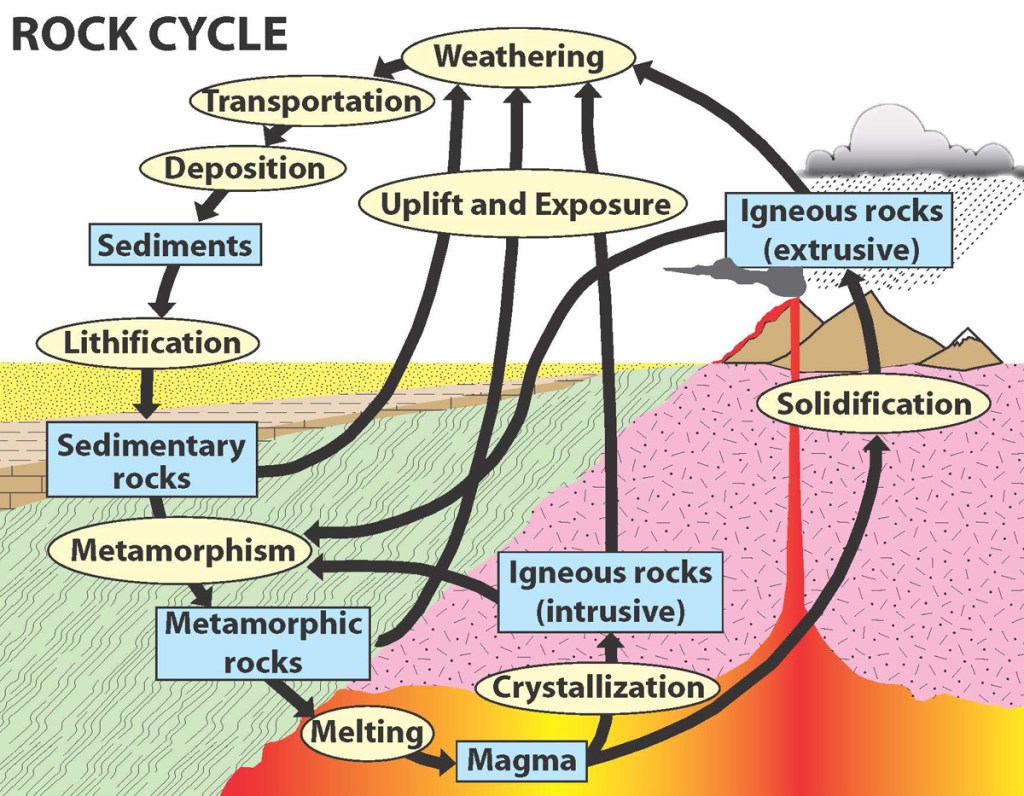
Rocks and landscapes that we can either hold in our hand or observe from a distance may be extremely old but they are not static; instead of simply “being” they are always in the process of “becoming”. The formation, movement, and transformation of the three main rock types (igneous, sedimentary, and metamorphic) are a product of Earth’s internal heat and pressure from tectonic processes, along with the effects of water, wind, gravity, and biological actions. Each rock type is altered when it is forced out of its equilibrium state. It’s a beautiful, 100% no waste system of rock recycling— all elements either re-melted and made into new crystals or re-organized and morphed into new shapes and textures, and all rocks participate in the process. Contrast this with our production of plastic products, now observable collecting in mass quantities, from microscopic to large, absolutely everywhere on Earth — land, oceans, rivers — wreaking havoc on all life forms.

ART IS EVERYWHERE

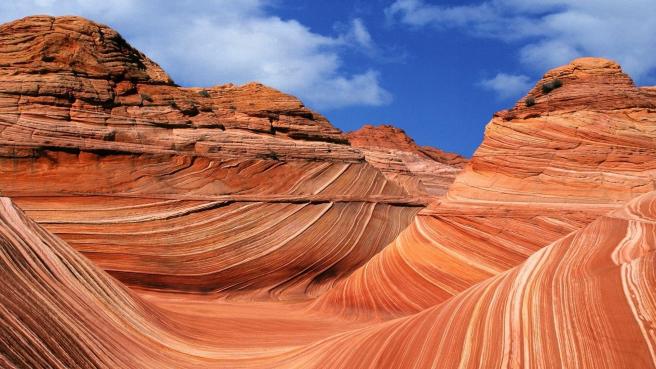
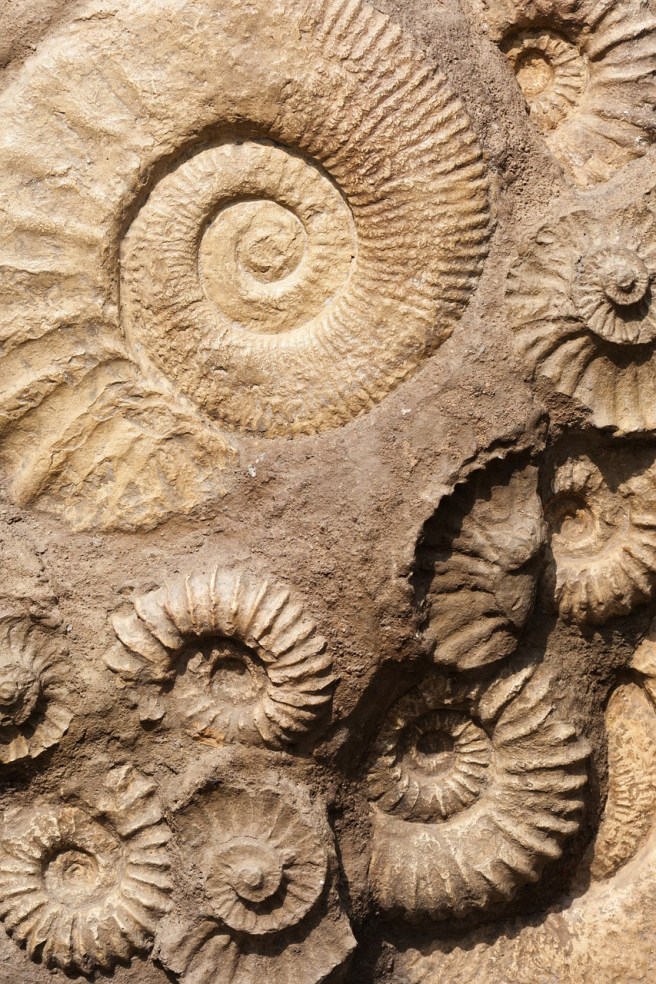
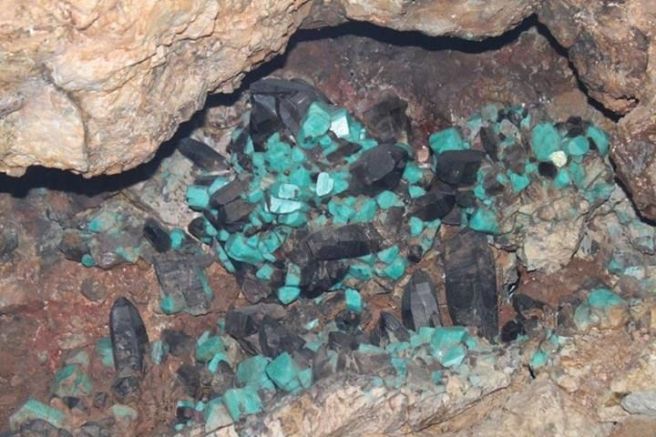
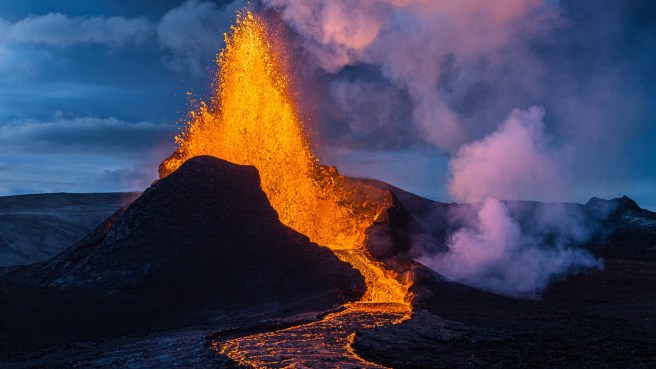
If you look up the word “art” in a dictionary, you’ll be presented with all sorts of definitions that center around the production of some piece of work (painting, sculpture, drawing, etc) that was created by a human using a skill, an activity, or a method. I would argue that the creation of art is not singularly a human activity; art can be found everywhere in nature, including the rocks. My own definition of art may be: “A creation to behold which inspires awe, wonder, or simply a desire to linger and enjoy the positive emotions felt by the beholder.” The creator may be anyone or anything, including Mother Nature. Here are some examples of what I would consider art created by Mother Nature using rocks as her medium. Certainly a person took these photographs and lent their own vision of composing the scene to represent the beauty yet the same, if not more intense, feelings can be felt when viewing these areas in person.

Scroll through Dr. Marli B. Miller’s photo gallery to see examples of rock artistry at: https://geologypics.com/geological-item/instagram-pics/?undefined. Marli is a geology researcher and senior instructor at the University of Oregon. She is the author of Roadside Geology of Oregon, Second Ed.

Scroll through the photos above for some other examples of:

  1. Colors — Earth’s palette (Blue Basin, Oregon)
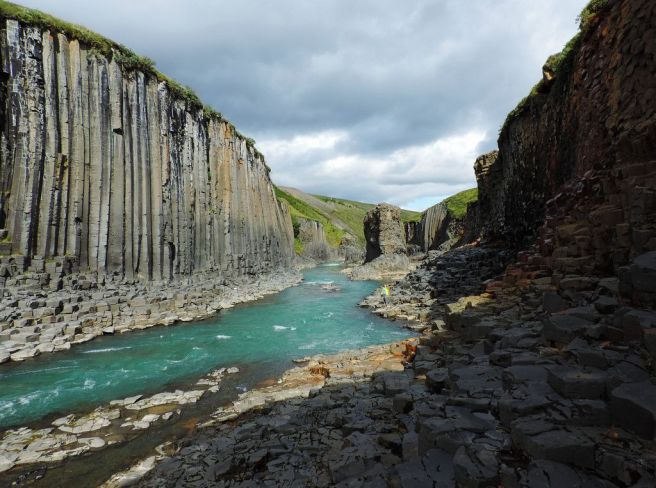
  2. Shapes — Rock molded by Earth’s hands: (Columnar basalts, Iceland)
  3. Patterns — the diverse layering and arrangements of rocks (Paria Canyon – Vermillion Cliffs Wilderness Area, Arizona)
  4. Fossils — the awe of ancient life, preserved in rock (Ammonites)
  5. Crystals — the beauty and variety of elemental arrangements (Amazonite and smokey quartz)
  6. Creation of new rock — the wonder of Earth’s tectonic processes (Cinder cone, Canada)
  7. Balancing acts — Rock defying gravity (Globe Rock, California). Why do humans like to create stacks of balancing rocks?

Going micro: zooming in on the details

A close friend and I like to take geology-focused road trips to enjoy and learn about the geology of our chosen area. After several trips together, I began to notice that there was a pattern to how each of us first “looked” at the rocks in an outcrop. I would stand back to take in the overall picture in front of us, then start zooming in to observe larger structures and smaller details within the outcrop — see the cross-bedding here, that looks like a fault over there. Starting to read the story held within the rocks. My friend likes to immediately focus in on the unique structure and beauty contained in individual rock hand samples. I like to say “she goes micro while I go macro”. Our different approaches are very complementary for each other. I make sure she sees and understands the larger geologic story while she takes me into the unique beauty held within an individual rock.

It’s the beauty held within a rock sample that leads my friend to “go micro” — their diverse colors, shapes, luster, and arrangements of minerals, and the reason why so many people are drawn to pick up and take a rock home with them. It’s one of the many ways we can learn to appreciate the beauty in nature. Whether looking at an outcrop of folded and mashed-up rock layers, an expansive landscape of glaciated granite peaks and valleys, or the stunning array of colors in a hand sample of jasper, the rocks are teaching us to recognize and appreciate the beauty found in nature.

SAFEGUARD YOUR VALUABLES

Water is Life

Rocks demonstrate the importance of sequestering precious resources. They serve as a great storage container for our life-giving water. The average water molecule stays in the atmosphere for about nine days; the residence time of water in the largest lakes is up to 200 years; deep groundwater may be stored in underground aquifers for 10,000 years. The amount of groundwater in an aquifer fluctuates over time depending on water input and outflow, The aquifer fills, or recharges, as surface water filters down through soil and rock and depletes as it is pumped back to the surface for human consumption or migrates to another region in a subsurface flow. Currently, climate change has shifted global weather patterns that have led to both drought and flooding, altering the amount of recharging to aquifers, while humans continue to draw from the aquifers at the rate we have become accustomed to.

The family jewels

The Earth has created many elements and minerals that humans have found irresistible, however we have yet to learn to respect and use these resources with care and conservation. There are places on Earth that some indigenous groups hold sacred, yet others come along in disrespect and destroy by mining, logging, or paving over. A majority of the man-made items you can reach out and put your hands on right now, including the computer I am writing on, are available to you thanks to the mining of Earth’s precious elements and minerals. The top 10 minerals extracted for human use are: copper, feldspar. lithium, silver, gold, iron ore, nickel, beryllium, and molybdenum. As of 2017, the U.S. government keeps a list of 35 elements and minerals that are “…essential to the economic and national security of the United States…the absence of which would have significant consequences for the economy and national security.” Our human lives as we know them are dependent on these 35 elements and minerals. They bring us batteries, pesticides, cement, steel, gasoline, integrated circuits, LED’s, fertilizers, fireworks, magnets, solar panels, nuclear fuel, glass, lubricants, microchips, medicines, paint, plastics, and oh-so-much more. Some of these minerals are found only in low concentrations making them difficult and expensive to mine. About 98% of the Earth’s crust is made up of only eight elements: oxygen, silicon, aluminum, iron, calcium, sodium, potassium, and magnesium. Everything else on the periodic table makes up the remaining 2%. It is estimated that every person in the U.S. will use more than three million pounds of rocks, minerals, and metals during their lifetime (!!!) — that’s a human lifetime, as compared to the time it took for the minerals to form (again… geologic timescale). Who do those materials belong to? Who is profiting from extracting them? Whose habitats are destroyed in the process of extraction?

Our lesson here from the rocks is that Earth’s precious resources, like clean water, clean air, precious elements, and minerals, are in limited supply and belong to all beings that live in community on the planet. They must be treated with the utmost care in a sustainable way for the benefit of all.

MAKING THE CONNECTION: Our place on earth

I’ve picked up from my desk one of the many rocks I’ve collected from somewhere during my travels here and there. It’s a piece of grey sandstone a bit larger than the size of a quarter — a good pocket rock. Several thin lines of white quartzite run through the sandstone and a thicker section of quartzite caps the “top” of the stone. It’s a well-polished stone — probably picked up off the Oregon coast — mostly round, but more tapered under the thicker layer of quartzite. It’s this taper with the thicker quartzite cap that makes me always want to hold it with this part oriented up. I guess it reminds me of a snow-capped mountain peak…maybe a clue to it’s origin. If I hold it just right in the light and look closely, tiny grains of quartz wink back at me. When I look at it through my microscope, the individual grains of quartz, feldspar, and biotite or hornblende come into focus. As I hold it in my hand and focus my attention on it, it starts to tell me it’s story; glacial erosion of an old Cambrian granite batholith, further weathering and transport by river action, deposition, burial, and millions of years of pressure and heat causing compaction and some dissolution of the mineral grains, cementation by fluids charged with dissolved minerals. The quartzite veins formed during this stage when the rock fractured and silica-rich fluid filled the fracture zones which, after more time, crystalized. This rock had a cozy, stable home for a long time while this process was happening, but at some point tectonic forces pushed and shoved the rock back to Earth’s surface where it eventually broke free and tumbled once again into a river where a series of flooding events picked it up and carried it off to the ocean. Here it was tumbled about by wave action, further smoothing the edges and wearing away the sandstone until one day I happened to come along to spy it and feel inclined to pick it up, admire it, and take it home with me.

From Timefulness by Marcia Bjornerud: “Young rocks communicate in plain prose, which makes them easy to read, but they typically have only one thing to talk about. The oldest rocks tend to be more allusive, even cryptic, speaking in metamorphic metaphor. With patience and close listening, however, they can be understood, and they generally have more profound truths to share about endurance and resilience.”

The most important lesson we may learn from our observations and study of geology is to be able to take the long view of Earth and life through time. The ability to do this allows us to be able to confront issues we currently face against the backdrop of the bigger picture of the stories of life through time; the recurring themes and chapters, the evolving cast of characters, sudden drama, and clear-eyed solutions. Many humans have forgotten the value of nature and the role we play in nurturing nature and working respectfully together with all forms of life that share the resources of this planet. When we become familiar with the narratives of natural history, we come to feel a connection with everything on the planet. The rock record reveals how our bodies are part of a continuum made from the raw materials of the earth — our bones made up of the calcium and phosphorus minerals derived from rock, our blood a distant memory of seawater — we are part of an unbroken chain of living organisms that stretches back to the very earliest days of our planet. As Earthlings, we are fully native to Earth.

References:

  • Bjornerud, M. (2021). Becoming Earthlings. Kinship: Belonging in a World of Relations, Vol. 01 Planet, pp 13 – 20.
  • Bjornerud, Marcia, Timefulness: How Thinking Like A Geologist Can Help Save The World, New Jersey: Princeton University Press, 2018, print.
  • Strauss, B., “The Earth’s 10 Biggest Mass Extinctions”, Feb 02, 2020, Retrieved from www.thoughtco.com
  • Brovkin,V., et.al., “Past abrupt changes, tipping points and cascading impacts in the Earth system”, July 29, 2021, Retrieved from USGS Publications Warehouse
  • “List of Extinction Events”, Retrieved from en.Wikipedia.org
  • Buis, A., “Milankovitch (Orbital) Cycles and their role in Earth’s Climate”, Feb 27, 2020, Retrieved from www.climate.nasa.gov
  • “Understanding Global Change”, Retrieved from www.ugc.berkeley.edu
  • “Groundwater Storage and the Water Cycle”, June 18, 2018, Retrieved from www.usgs.gov
  • Alden, A., “What is Sandstone?”, Aug. 13, 2019, Retrieved from www.thoughtco.com
  • Motavalli, J., June 19, 2010, Retrieved from www.cbsnews.com
  • King, H.M., “REE — Rare Earth Elements and their Uses”, Retrieved from www.geology.com
  • Conca, J., Nov. 19, 2019, “35 Minerals That Are Critical To Our Society”, Retrieved from www.forbes.com
  • Silva, J., July 21, 2016, “Top 10 Minerals Mined in the U.S.”, Retrieved from www.blog.midwestind.com
  • “Rocks and Minerals: Everyday Uses”, Retrieved from www.mnch.uoregon.edu

Returning Sea Otters to the Oregon Coast

Understanding the role of sea otters as a keystone species in marine nearshore environments provides an excellent example of species interconnections. In this post we’ll wade on into the coastal waters of Oregon and take a look at how a healthy kelp forest works to maintain a balance of the marine nearshore ecosystem, the role of the southern sea otter (Enhydra lutris nereis), the rise in what is called “urchin barrens”, and current efforts to reintroduce sea otters to the Oregon coast.

History

It’s estimated that between 16,000 and 17,000 southern sea otters once lived in the waters along the Pacific coast. By the early 1900’s, sea otters were hunted to near extinction by fur traders and commercial fishermen who thought the otters were competing with them for shellfish (see previous post Beaver: The Ultimate Keystone Species). The number of sea otters off the central coast of California was at a low of about 50 in 1938. The last sea otter in Oregon was killed in 1906, and in Washington in 1910. In 1969-1970, the U.S. government was planning to perform nuclear testing at Amchitka Island in Alaska. Thankfully, marine biologists working there at the time intervened and facilitated the moving of 59 sea otters from Amchitka Island to the northern coast of Washington prior to the blast taking place. Thousands of sea birds and about one thousand sea otters died in that nuclear blast. The relocated population of 59 otters has grown to 2,962 (in 2019) and is now mixing with another sea otter population in Vancouver, B.C. as well as expanding their range south. The southern sea otter is currently federally listed as a threatened species. Oregon is the only state where sea otters once lived that remains unpopulated.

Key Players in an Ideal Sea Otter Habitat

Sea Otters

The sea otter is both the heaviest member of the weasel family and one of the smallest marine mammals. They do not have an insulating blubber layer like other marine mammals yet they live in an environment where the ambient temperature is about half their body temperature. They maintain their body temperature with the aid of their very thick fur, and by eating a lot. Their fur is the thickest of all animals in the animal kingdom with one billion hairs per square inch! They groom their fur constantly which allows a layer of air next to their skin, effectively creating a dry suit for themselves. They weigh up to 100 pounds and, in the wild, generally live to be 14 – 17 years old.

Sea Otters are highly social animals and live together in groups called “rafts”. A raft will consist of either all females with one or two males that mate with these females or a group of bachelor males. Otter pups are dependent on their mother for 5-6 months after birth. Pregnancy and caring for pups are a huge energy burden on the female and their health can suffer as a result. Their diet consists of marine invertebrates (sea urchins, mollusks, crustaceans) and some species of fish. They use rocks to pry invertebrates off the sea floor and pound them open them making it one of the few mammal species to use tools.

A favorite meal of the sea otters is sea urchins. The sea urchin’s favorite meal is kelp. In some areas such as the Alaskan coast, the relationship between sea otters present and kelp forest abundance is starkly apparent; when sea otters are present in an ecosystem the urchin population remains under control which, in turn, allows kelp forests to grow. When sea otters are absent we see urchin populations multiply and kelp forests severely degraded or missing altogether. This environment is called an “urchin barren” and reflects an ecosystem out of balance, but keep in mind that the variables that lead to an urchin barren state are numerous, making this a complex issue.

Kelp Forests

Giant kelp forests in the nearshore marine environment are considered highly productive and highly diverse ecosystems. Kelp are large brown algae that form in shallow, cold, nutrient-rich waters off the coast. Kelp forests are found around the world with the Pacific Northwest coast being particularly well-suited for them. The largest species off the Oregon coast is bull kelp (Nereoctstis leutkeana). Both annual and perennial species of kelp exist; perennial species can live up to 20 years. Seaweeds are anchored on the sea floor and have long blades that can grow up to 18 inches per day. These blades grow straight to the waters surface, staying aloft by a gas-filled bladder at the base of each blade. Kelp are photosynthesizers that play a role at the base of the food chain. On decomposing, they enrich the ocean water with nutrients which are then utilized by filter feeders (muscles, barnacles, etc) and other invertebrates. They modify light levels and help control sedimentation, reduce erosion by blunting the force of incoming waves, and provide a significant amount of carbon sequestration. They are biodiversity hotspots and serve as a nursery for many species including many types of invertebrates, juvenile rockfish, seals, sea lions, whales, sea otters, gulls, terns, snowy egrets, great blue herons, and other shore birds. To thrive, kelp need only light for photosynthesis and abundant nutrients, typically coming from the upwelling of deep ocean cold water.

Historically, kelp forests have occupied about 25% of the world’s coastlines. Unfortunately, kelp forests in the Pacific Northwest are now in decline due to climate change, sea star wasting disease, urchin population explosion, and the absence of sea otters. The unhealthy corollary to a healthy kelp forest is a referred to as a sea urchin barren. There are some areas off the Southern California coast where kelp forests thrive without sea otters being present. However there urchin populations are kept in control by the presence of other predators, including lobsters and California sheepshead. If these predators are removed from the ecosystem (through over-fishing or by other factors) it will again allow urchins to thrive and the kelp forest to degrade. Other species that feed on kelp such as sea stars, isopods, kelp crabs, and herbivorous fishes tend to feed on drift kelp — kelp that has been dislodged from its substrate. When sufficient drift kelp is available, these species do not impact the attached kelp plants. Currently, 50% of the kelp beds in Oregon are found at the Port Orford reef in southern Oregon.

Sea Urchins

28 Jul 2011, Channel Islands National Marine Sanctuary, California, USA — California, Channel Islands. Giant red urchins, Strongylocentrotus franciscanus, and purple urchins crowd the top of a rock. Urchins are havested commercially for their roe (eggs). — Image by © Ralph Clevenger/Corbis

There are two types of sea urchins: red (Mesocentrotus franciscanus) and purple (Strongylocentrotus purpuratus). The larger red urchins are the ones being fished for marketing of the uni (gonads). Red urchins commonly live over 30 years and can live up to 200 years. They are not always successful at reproducing as conditions have to be just right; some years will result in a boom of red urchin larvae, others not. Red urchins mainly eat drift kelp. The red urchin population was fished out along the west coast in the 1990’s but with protections are making a comeback. They are managed as a fishery product.

Purple urchins live in shallower sub-tidal zones but as their populations explode they move into the zone where red urchins are found. Purple urchins will feed on the base of the living kelp plant causing the plant to die. When urchins have eaten all the food available in their area and created an “urchin barren”, they starve but they don’t die; they go into a state of low metabolic activity and can survive for years in this state. Starved out sea urchins do not produce uni, which is what sea otters feed on. Sea stars also feed on purple sea urchins. Interestingly, the urchins will part their spines and allow an approaching sea start to get close to them before launching a surprise attack; the urchin uses its pinchers to gnaw on the sea star’s tube feet causing the sea star to back away. However, sunflower sea stars are unaffected by this attack and will continue advancing to eat the urchin whole — spines and all!

Sea Stars

Sea stars are a large and diverse class of Echinoderrms with over 1,900 living species. There are 11 species that are typically found on Oregon’s coast including the Pacific blood star (Henricia leviuscula), the Sunflower sea star (Pycnopodia helianthoides), and the purple or ochre star (Pisaster ochraceus) typically seen in tidal pools. Sea stars are highly adapted, mobile creatures that have few natural enemies.

Together, sunflower sea stars and sea otters can control sea urchin populations by preying on them. In the ecology world, this is known as functional redundancy — the idea that when two or more species in an ecosystem community perform similar functions, there should be a buffering effect that protects against the loss of either species.

In 2013 – 2014, multiple species of sea stars began dying off in huge numbers — up to 90% of species were lost on the Pacific Northwest coast. Scientists have identified the virus responsible for the disease as a single virus — sea star associated densovirus (SSaDV) — yet it remains unclear what environmental factors caused this outbreak to be so severe. Basically, the sea stars outer layer (the “skin”) melts away allowing their bodies to deteriorate. This event, dubbed “Sea Star Wasting Disease” (SSWD), began in Howe Sound just north of Vancouver, British Columbia and killed all of the sunflower sea stars along with 20 other species of sea stars. The scale and speed of this event was shocking. Howe Sound appears to have been ground zero for this event, but SSWD quickly spread along the entire west coast of the Pacific. Recovery of the sea stars since then has been uneven. Some species seem to have bounced back, but there was 100% loss of sunflower sea stars in the PNW (except for a small population in the Puget Sound area), and they are not coming back. At many locations, urchin populations have exploded and created urchin barrens. Note that echinoderms, in general, experience boom-bust cycles and may take decades to return to an area previously inhabited (if at all).

Some of the Challenges to Marine Nearshore Environments

The kelp forests of the Pacific Northwest have been in moderate decline for many years and the problem is growing worse. Even more severe declines have been documented elsewhere in the world. Ocean kelp forests can be seen from space using the Landsat satellites. Scientists can use this data to document the changes to kelp forests over time. This method is being used in Oregon.

In 2013 – 2015, a heat wave formed in the Pacific Ocean off the coast of North America. It was officially termed “the blob”. The warm waters of the blob were nutrient-poor and extremely hard on kelp forests. In northern California, there was a 90% loss of kelp forests and sea stars attributed to this event. To date, the kelp has not come back and there has been a huge increase in the number of sea urchins as well as an increase in the mussel population. Efforts are underway to reintroduce sea otters and sea stars to help restore the kelp forests. The kelp forests off the Oregon coast were not as severely affected by the blob. The dynamics of these ecosystems are very complex and not well understood. Scientists are monitoring many different areas to try to better understand what is driving kelp decline. Recent studies have shown that kelp forests can thrive in deeper oceanic zones of the warmer, tropical waters where light can penetrate to greater depths. The growth of kelp is not affected as much by water temperature as it is by nutrient availability, particularly nitrogen. Under conditions of adequate light and nutrients, kelp can thrive in water temperatures of up to 23ºC.

One of the ecosystem threats that has been associated with climate change is an increase in domoic acid (DA) intoxication. DA is a potent neurotoxin produced by a diatom species (genus Pseudo-nitzschia) that can accumulate in the food web. This diatom is found worldwide and has the greatest impact on oceanic eastern boundary upwelling systems, which includes the west coast of the U.S. DA toxicity is an important cause of marine wildlife mortality as well as a threat to human food safety. DA enters secondary trophic levels of a food web when suspension feeds such as shellfish and anchovies ingest the toxic diatom cells. High DA levels have been shown to be associated with warmer ocean temperatures and are associated with both the Pacific Decadal Oscillation (PDO) and El Niño events, particularly when these two conditions coincide. If these warm ocean events become more persistant due to global warming, West Coast DA events may also increase. Due to their small body size, high metabolism, and diverse prey preferences sea otters are particularly susceptible to DA exposure. In one study that reviewed findings for southern sea otter necropsies of 560 animals over a 15 year period, probable DA intoxication was a primary or contributing cause of death for 20% of the sea otters.

Ocean acidification is a whole topic unto itself but I want to give it a quick mention in this section. Ocean acidification refers to a reduction of the ocean pH over an extended period of time, caused primarily by the uptake of carbon dioxide (CO2) from the atmosphere. When CO2 is absorbed by seawater, a series of chemical reactions occur resulting in an increased concentration of hydrogen ions. This increase causes seawater to become acidic and reduces the availability of carbonate ions necessary for the building of sea shells and coral skeletons. Sea urchins, corals, oysters, diatoms, and other organisms with shells or skeletons end up with very thin shells and skeletons and ultimately the entire oceanic food web is at risk of collapsing.

So far, ocean pH has dropped from 8.2 to 8.1 since the industrial revolution, and is expected by fall another 0.3 to 0.4 pH units by the end of the century. A drop in pH of 0.1 might not seem like a lot, but the pH scale, like the Richter scale for measuring earthquakes, is logarithmic. For example, pH 4 is ten times more acidic than pH 5 and 100 times (10 times 10) more acidic than pH 6. If we continue to add carbon dioxide at current rates, seawater pH may drop another 120 percent by the end of this century, to 7.8 or 7.7, creating an ocean more acidic than any seen for the past 20 million years or more.

How well marine organisms will adapt to a rapidly changing environment due to climate change is not well understood. An evolutionary perspective is necessary to better understand climate change effects on our seas and to examine approaches that may be useful for addressing this challenge.

Feasibility of Sea Otter Reintroduction in Oregon

Efforts are underway to return sea otters to the southern Oregon coast. This section of the coast has a rocky surface that can support the players’ necessary for a successful return of sea otters to the environment. The state of the current environment here is degraded and will need some restoration work upfront to help ensure the success of sea otter reintroduction. The Elakaha Alliance is working with a number of cross-disciplinary groups and researchers to first target restoration work in certain areas (culling purple urchins, nurturing kelp oasis’).

The Elakaha Alliance recently completed an in-depth scientific study to assess the feasibility of reintroducing sea otters to the Oregon Coast. Here are their five main takeaways:

  1. Reintroductions (through translocation) are a successful conservation tool. Previous reintroductions into southeast Alaska, British Columbia, and Washington have increased species viability, helped recover genetic diversity, and improved gene flow in sea otter populations.
  2. Reintroducing sea otters to Oregon is likely to succeed, with appropriate considerations. A model developed specifically for evaluating population success of reintroductions in Oregon suggest that several areas, mostly along the southern coast, would likely support a successful reintroduction of sufficient numbers of otters. The model also indicates that multiple release locations may be more effective than a single release site.
  3. Estuaries may be an important reintroduction environment, especially when close to a suitable nearshore ocean habitat. These environments support sea otter populations in some areas of California. Further research is recommended to review potential sea otter – human interactions in estuaries, however otters could potentially move into estuaries and sloughs as populations recover.
  4. Return of sea otters will have many direct and indirect effects. As a keystone species, sea otters have inordinately strong effects on the nearshore ecosystems they inhabit. Indirect ecosystem enhancements include: increases in kelp forest and eelgrass beds which, in turn, increase fin fish and invertebrate species, increase in overall biodiversity and productivity, increase in carbon capture and fixation. Sea otter reintroduction can also have a negative social and economic impact on the shellfish industry.
  5. Social, economic factors and regulatory issues must be considered. Reintroductions can only occur if these issues are fully addressed. Outreach and engagement with a broad array of affected stakeholders are essential.

Elakha Alliance is currently working on its second of three phases — achieving consensus of key partners including tribes, shellfish harvesters, fisherman, ports, businesses, conservation organizations, and local, state, and federal governments. This phase is expected to conclude no earlier than 2024. The final phase will be to restore a viable, sustainable population of sea otters to a few select places along the Oregon coast. This is expected to take from 2-4 years before actual restoration begins, followed by monitoring, research, and continued stakeholder engagement. Experience and the models show that, following reintroduction of sea otters to a new environment is typically followed by a significant loss of the animals immediately, followed by a slow rebound of several years, then a more rapid increase in population. So, it will be several more years before we will be able to watch sea otters off our Oregon coast, but what a delight that will be!

Making the Connection

My position on restoration work has shifted over the past several years since I was first studying to become an Oregon Master Naturalist. I used to believe that Mother Nature was best left alone to recover from human disturbance in the way that only she knows how to do best. This conviction was borne out of the belief that, in many cases, when humans try to “restore” an area to a more “natural” state they quite often fail or make things worse simply because they don’t have a full understanding of all the relationships and interconnections between species and the environment. I have much more respect for someone who is considered an expert in their field if they freely acknowledge how much they still have to learn about their field. Amazing discoveries continue to be made daily in the scientific world — sometimes blowing long-held beliefs out of the water — and will continue to be made into the future. The complexity of Earth’s ecosystems is simply mind-blowing, when you have even a small glimpse into the finely-tuned workings of Mother Nature you are humbled and awe-struck.

I have come to understand that, in many cases, restoration work is not only necessary but vital in assisting Mother Nature in the recovery of human-disturbed complex ecosystems. The work of The Elakha Alliance is an excellent example of how this work can be done successfully; with intensive study and engagement with known experts in all the identified fields related to the restoration work, with the understanding that the work will take many years to complete, with the humbleness to acknowledge that, while we know a lot about this environment, there are things we do not know that may affect the outcome but we are going to give this our best shot.

I encourage you to watch this excellent 7-minute video made by KQED and Quest titled Sea Otters v. Climate Changehttps://www.kqed.org/quest/65409/sea-otters-urchins-kelp-climate-change

References Cited

The Drastic Decline of Creepy Crawlies and Winged Wonders

The insects of the world are incredibly numerous, diverse, critical to the web of life, and disappearing in alarming numbers. In my last post I mentioned the concept of shifting baselines syndrome and gave my own observational example of how, when I was much younger, I recalled the numerous bug splats on your car windshield that needed to be cleaned off every time you filled the gas tank, yet now it is rare to even get a single bug splat on your windshield. While doing research for this post, I found that this is a well-known observation and has been dubbed “the windshield effect”. In this post, I would like to explore this further and provide some insights on why we need to care about and protect the insect world. It’s a huge topic but I will work to keep it digestible by providing some specific examples.

If all mankind were to disappear, the world would regenerate back to the rich state of equilibrium that existed ten thousand years ago. If insects were to vanish, the environment would collapse into chaos. — E. O. Wilson

DEFINITIONS

  • Biotic homogenization: The process by which ecosystems lose their biological uniqueness. This is an emerging, yet pervasive, threat in the ongoing biodiversity crisis. This phenomenon stems primarily from two sources: extinctions of native species and invasion of nonnative species. While this process pre-dates human civilization, as evidenced by the fossil record, and still occurs due to natural impacts, it has recently been accelerated due human-caused pressures.
  • Taxonomy: a hierarchical scheme of classification in which things are organized into groups or types based on shared characteristics. Today we still use an expanded version of the system developed by Carl Linnaeus in the 18th century. The categories, from broadest to most specific, are: Domain – Kingdom – Phylum – Class – Order – Family – Genus – Species.
  • Neonicotinoid pesticides: a class of chemical insecticides that act by causing neurotoxic effects on nicotinic acetylcholine receptors in the nerve synapse. This chemical is very toxic to invertebrates. Nicotinic acetylcholine receptors are also present in the nervous systems of mammals. There is concern that neonicotinoids may impact animals other than their insect targets (including humans). Neonicotinoids are known to have sub-lethal effects on bees’ foraging and colony performance.

Taxonomy

To start, let’s be clear about just what insects are. Insects belong to the Kingdom Animalia, Phylum Arthropoda, Class Insecta. There are at least 28 different Orders of insects; the pictures below show the 5 orders that include at least 100,000 species each —greater than the number of all known species of fish, reptiles, mammals, amphibians, and birds combined. WOW — Half of all known living organisms are insects! All insects have a chitinous exoskeleton, a 3-part body, 3 pairs of jointed legs, compound eyes, and one pair of antennae. They live in nearly all environments (including the ocean). Insects do NOT include centipedes, scorpions, spiders, woodlice, mites, and ticks.

Selected orders shown in the slideshow below: 1. Lepidoptera (butterflies and moths, 2. Coleoptera (beetles), 3. Hymenoptera (bees, wasps, hornets, sawflies, ants), 4. Hemiptera (cicadas, aphids, plant hoppers, bed bugs, sheild bugs), 5. Diptera (flies).

Insect Diversity and Biomass

The class Insecta originated on Earth about 480 million years ago, about the same time as terrestrial plants. Until recently, insects have had very low extinction rates; in one group of beetles studied (Polyphaga), there have been no extinctions in its entire evolutionary history, even during the mass extinction event at the end of the Cretaceous period (~66 million years ago).

Roughly 10 quintillion individual insects exist on the planet at any given moment. They make up about 80% of all the known animal kingdom species. About a million insect species have been discovered but it’s generally agreed that, by some estimates, about four million more have yet to be discovered. If you look at the food webs of any species habitat, you’ll find insects playing a role. To understand the importance of each species within a given web, see my previous posts. Although any individual insect species within a given food web may not be considered a keystone species, the larger group of insects are clearly vital to life on land.

Crucial Insect Ecological Contributions

Every insect on the planet is playing a role in the ecological machine. Each individual effort adds up to colossal benefits for life on Earth. Along with these insect *”services” provided, there are also insect “disservices”, for example, pest damage to agriculture, spread of diseases, negative actions as an invasive species, etc. As presented to the general public, these negative affects associated with insects are given far greater coverage than the benefits of insects. Often the insects negative affects in an ecosystem are due to imbalances in nature that were caused by humans.

*Note: I’m not a fan of the terms ecological “services” — if you do much reading about ecology you’re sure to come across the term. Whether it is meant this way or not, it smacks to me of “how does [something found in nature] contribute to improving humans’ life on earth”. We need to stop holding this warped view that all of nature is simply available to “serve” our needs and wants. We need to recognize the importance of the roles that each living thing on earth plays in keeping all of nature in balance so all can be well.

PROVIDERS: Insects are the meal of choice for many larger animals such as birds, bats, amphibians, and fish. These animals are in turn the meal of choice for even larger predators. The decline in insect populations is suspected to be the leading cause of recent declines in bird populations. Insect eating reptiles include geckos, anoles, and skinks. Insect eating mammals include tree shrews and anteaters.

DECOMPOSERS: Waste-eating insects, such as springtails, termites, beetles, etc, recycle nutrients back into the earth for plants to absorb and grow that would otherwise stagnate in dung, dead plants, and carrion. Without insects, dead organic matter would being to pile up. Insects are also used in sewage treatment plants to help decompose and filter matter along with neutralizing toxins.

PEST CONTROLLERS: Insects such as ladybirds, hoverflies, and wasps that eat other crop-threatening insects play the role of pesticides without chemicals, reducing costs to farmers and increasing yields. In addition to killing unwanted insects or weeds, pesticides and herbicides can be toxic to a host of other organisms including birds, fish, beneficial insects, and non-target plants. Surface and groundwater pollution due to pesticides is a worldwide problem. According to the soil scientist Dr. Elaine Ingham, “If we lose both bacteria and fungi, then the soil degrades. Overuse of chemical fertilizers and pesticides have effects on the soil organisms that are similar to human overuse of antibiotics. Indiscriminate use of chemicals might work for a few years, but after awhile, there aren’t enough beneficial soil organisms to hold onto the nutrients”. Pesticides are often considered a quick, easy, and inexpensive solution for controlling weeds and insect pests in urban landscapes. However, pesticide use comes at a significant cost. Weed killers can be especially problematic because they are used in relatively large volumes. The best way to reduce pesticide contamination (and the harm it causes) in our environment is for all of us to do our part to use safer, non-chemical pest control and weed control methods.

POLLINATORS: Nearly 90% of flowering plant species and 75% of crop species depend on pollination by animals — mostly insects. Overall, one out of every three bites of food humans eat relies on animal pollination. Insects also play a critical role in seed dispersal. For example, the seeds of many plants have structures (elaiosomes) that are packed with fats and other nutrition. Ants will carry off the seed, eat only the elaiosome, and leave the rest to sprout.

SOIL ENGINEERS: Termites and ants transform soil through their tunneling which aerates hard ground, helping it retain water and adding nutrients. In some regions of the world, introduction of termites has turned infertile land into cropland within a year.

The Problem

In the late 1980’s, a researcher launched a project to find out how insects were faring in different types of protected areas in Germany. He collected insects from 63 areas over the course of 20 years. In 2013, entomologists returned to two sites that were first sampled in 1989. The mass of trapped insects was just a fraction of what it had been 24 years earlier. The team that sifted through all this data found that between 1989 and 2016, flying insect biomass in these protected areas of Germany declined by 76%. Insect biomass studies conducted in other areas have shown similar results: a protected forest in New Hampshire found the number of beetles had decreased by more than 80% and the beetles diversity decreased by almost 40%. A study of butterflies in the Netherlands found their numbers had declined by almost 85% since the end of the 19th century. A study of mayflies in the upper Midwestern U..S. found their populations dropped by more than half just since 2012. A research station in the tropics of Costa Rica has found a 40% decrease in caterpillar diversity since 1997, and a drop in parasitoid diversity of about 55%. This data is particularly significant given that about 80% of all insect species live in the tropics. The geographic extent and magnitude of insect declines remain largely unknown — there is an urgent need for monitoring efforts, especially across ecological gradients, which will help to identify important causal factors in declines.

Earth is clearly in a biodiversity crisis, not surprisingly when you consider how much of the planet we humans have altered by mowing down forests, plowing up grasslands, planting monocultures, and pouring pollutants into our waters and the air. The rate of insect loss is significantly faster than other animal groups. It is not clear why this would be. Pesticide use would seem a logical culprit, however many of the places where steep declines have been reported are pristine landscapes where pesticide use is minimal. Climate change is suspected to be a major driving factor.

The Culprits and Potential Solutions

In a recent study, questions were posed to expert entomologists on the root causes of potential insect declines worldwide, 413 expert opinions were summarized regarding the relevance of threats to insects as follows (in order of importance):

  1. Agriculture (causing habitat loss and biotic homogenization)
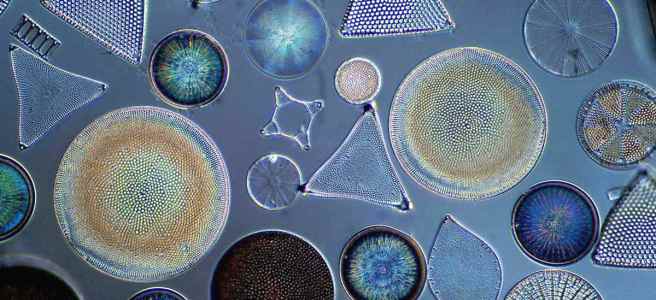
  2. Climate change
  3. Pollution (includes pesticide use, the number one stressor for freshwater invertebrates)
  4. Natural system modifications
  5. Invasive species
  6. Residential and commercial development

The above list refers to all insects worldwide. The main stressors that affect any given insect family may vary and are dependent on their habitat and species. Insects — the most diverse class of animal organisms on the planet — are still severely understudied.

Climate change is believed to be one of the main drivers of insect population decline. Many insect species are very susceptible to extreme weather conditions — they are just not adapted to large fluctuations.. In the words of one researcher, “…the insects run out of food, they run out of cues, everything just falls apart.” Pesticide use and habitat loss are thought to be another main contributing factor in insect decline. The European Union has banned most neonicotinoid pesticides which several studies have linked to insect and bird decline. The German government had adopted an “action program for insect protection”, which includes restoring insect habitat, banning the use of insecticides in certain areas, and phasing out glyphosate (a commonly used herbicide). A group of more than 50 scientists from around the world have proposed a roadmap for insect conservation. It recommends taking aggressive action to reduce greenhouse gas emissions, preserving more natural areas, imposing stricter controls on exotic species, and reducing the application of synthetic pesticides and fertilizers.

The Xerces Society for Invertebrate Conservation based here in Portland, Oregon is one of the few organizations in the world that is specifically devoted to invertebrate conservation. As a science-based organization, they both conduct their own research and rely upon the most up-to-date information to guide their conservation work. Their key program areas are: pollinator conservation, endangered species conservation, and reducing pesticide use and impacts. I highly recommend you take a look at their website to learn more about this great organization: https://xerces.org/. Their introductory video is worth watching:

A Few (kinda interesting) Insect Facts

  • Globe mallow bees don’t make hives; the females sleep in ground nests and males curl up inside the globe mallow flowers. If all the blooms are booked, a male bee will nestled alongside another bee and convert the single room to a double.
  • While many invertebrates fill the seas, and a small fraction of insect species live at the edges the ocean or in the intertidal zones, there is only one insect that lives on the surface of the open ocean: the sea strider (Halobates). This carnivorous insect sprints on the water surface looking for prey that has fallen onto the water, such as zoo- plankton, fish eggs, larvae and dead jellyfish. In turn, it provides a source of food for sea birds and surface feeding fish.
  • Researchers have observed chimpanzees catching insects and putting them into wounds on themselves or other chimps. They catch the insect, squeeze it between their lips to immobilize it, then place it on the wound moving it around with their fingertips, and finally removing it with their fingers or mouths. Sometimes the insect would be put in and out of the wound several times. At the least, it’s interesting behavior. Yet it seems quite possible that they are in some way treating the would….chimp TEK (Traditional Ecological Knowledge)!
  • Some insects have evolved into remarkably specialized roles within their habitats. The moth caterpillar (Ceratophaga vicinella) scavenges only on the tough keratin shells of dead gopher tortoises. You can see how the extinction of these specialized insects can unravel the balance in an ecosystem.
  • Dragonflies move each of their four wings independently, flapping each up and down and rotating them forward and back. They can move straight up and down, fly backward, hover and stop, and make hairpin turns at full speed or in slow motion. They can fly at speeds up to 30 mph. AND they can eat up to 100 mosquitos per day.
  • Many insects live off other insects — most parasitic wasps lay their eggs in the bodies of caterpillars, using their hosts as a source of nutrients. Other insects, known as hyperparasitoids, lay their eggs in or on the bodies of parasitoids. There are even insects that parasitize hyperparasitoids!
  • Fireflies have dedicated light organs under their abdomens that they use for finding mates. They do this by combining oxygen and a substance called luciferin they hold in special cells. This light produces no heat. Fireflies flash in patterns that are unique to different species. Some species synchronize their lighting — coordinating their flashes into bursts that ripple through the entire group of insects.

MAKING THE CONNECTION

I started writing this post with the vague notion that I now observe far fewer insects in the environment than I remember from decades ago, along with some sneaking suspicions about what some of the causes of this decline could be. During my research phase, I was particularly alarmed to discover just how widespread and drastic global insect die-off has occurred, and in such an incredibly short period of time. I hope, given the content I’ve included here, that you have also been able to make these connections: incredible diversity and overall biomass of the class Insecta, what they contribute to the overall balance of nature along with the importance of these contributions, and the causes for their decline (both proven and suspected by experts in the field).

It’s time for ALL people on this planet to change their relationship with nature, which requires some radical changes in how we live our lives. The damage we are currently causing to the planet is quite simply not sustainable. I suspect that on some level everyone knows this and many are afraid to acknowledge it because they do not want to give up their current way of life. There is often a push to “live in the moment”, which can be comforting and soothing, but we also must be disciplined in preparing for our future. We need to develop a new relationship, based on respect and gratitude, with the our incredible, miraculous home — earth. There are so many organizations and individuals around the world that are already engaged in this work. Some of the business sector is even recognizing the need for change and moving in the right direction. I encourage everyone to continue learning and take whatever actions you feel called to take to help support these efforts. It is only by the participation of everyone who calls the earth “home” that we can continue to live in comfort and harmony with nature.

WORKS CITED

Beaver: the Ultimate Keystone Species

A Bit of History:

During the nineteenth century, man’s extermination of any living creature that had fur or feathers was so extreme that some have dubbed the period the “Age of Extermination”. It is estimated that between 60-400 million beaver populated North America prior to the 1500’s. By the 1900’s, there were about 100,000 beavers left. We currently have about 15 million beaver — it is not an endangered species, but it’s numbers are certainly reduced from it’s historical representation. Let’s explore what makes beaver such an important keystone species with respect to wetland habitats.

DEFINITIONS:

  • Wetland: An area of land saturated with water. There are five types of wetlands: ocean, estuary, river, lake, and marsh. In this post, we are referring to river wetlands.
  • Hyporheic zone: Describes the area in a stream bed where the water moves in and out carrying dissolved gas and solutes, contaminants, particles, and microorganisms. Depending on the geology and topography, the hyporheic zone may be only a few centimeters deep or extend up to tens of meters deep. Both water mixing and storage happen here.
  • Hyporheic exchange: Refers to the speed at which water enters or leaves the hyporheic zone. The rate of exchange can be quite variable depending on a number of structural and geomorphic factors.
  • Incised stream / Degraded channel: A stream channel in which the bed has dropped and as a result, the stream is disconnected from its floodplain.
  • Floodplain: The flat area adjoining a river channel constructed by the river in its present climate and overflows during moderate flow events.
  • Algal blooms: A rapid increase in the population of algae in a freshwater or marine system. Algal blooms refer to microscopic unicellular algae, not macroscopic algae. The bloom is a result of excess nutrient (like nitrogen or phosphorous from fertilizers) entering an aquatic system and causing excess growth.

Wetland Habitats — Why are they Important?

We now recognize wetlands to be critical habitat for a healthy ecosystem and focal points of biodiversity, however they were historically viewed as places of darkness, disease and death. In short, they were considered wastelands that needed to be converted to usable land. It would be impossible now to restore our landscape such that it could support the historical number of beaver seen in the early 1800’s as the landscape is too altered by humans — homes, roads, pastures, and orchards with many streams that have degraded to the point that beaver are unable to restore them to wetland areas. Ben Goldfarb, in his book Eager quotes Kent Woodruff of Washington’s Methow Beaver Project as saying “We’re not smart enough to know what a fully functional ecosystem looks like, but beaver are.”

In the western U.S., wetland habitats cover about 2% of land area yet support about 80% of species biodiversity. These habitats provide numerous critical functions, such as: water filtration, flood and erosion control, food and shelter for fish and wildlife, absorbing and slowing floodwaters, absorbing excess nutrients (e.g. nitrogen from fertilizers), heavy metals, and sediments before they reach rivers, lakes, and other water bodies. They also serve to provide wildfire breaks in the landscape.

The Amazing Beaver

The North American Beaver (Castor canadensis) are best known for their unrelenting desire to build dams, often to the distress of land owners that don’t particularly want their land flooded. Beaver are rodents that weigh about 60 pounds and can live up to 24 years. Interesting physical characteristics include:

  • Extremely dense fur — this feature is what the early pioneers sought to make hats and use for trading.
  • Duck-like hind feet that make them agile swimmers.
  • Ability stay underwater for up to 15 minutes.
  • A second set of eyelids that function as goggles underwater.
  • A second set of lips that can close behind their front teeth so they can chew and drag branches underwater without drowning.
  • A multi-functional tail serving as a rudder, fat storage and thermoregulatory device, and alarm system by slapping it against the water to warn other beavers about the presence of predators.
  • Amazing incisors that grow continuously and self-sharpen as they gnaw down trees.

Beaver are totally herbaceous, eating the cambium (inner sugary layer of trees) mostly from willow, aspen, cottonwood, as well as other green vegetation. They create two types of structures with trees; the lodge which serves as living space with underwater tunnels and an elevated nesting chamber, and dams. Generally 2 – 8 beavers inhabit one lodge — the adult mating pair and three years of offspring. Beaver build both of these structures in order to extend their habitat. They are quite vulnerable to predators (bear, cougars, coyotes, and wolves) on land but much safer underwater, so by extending the surface area of water they are providing their own protection. Dams hold water in low-gradient areas creating ponds which submerge their lodge entrances and give them a place to stash their food caches. The ponds created by the dams also irrigate water-loving trees allowing beavers to operate as rotational farmers — they’ll cut down vegetation in one area while cultivating their next crop in another.

A beaver lodge I came upon while enjoying a picnic in southern France

Beaver dams range in size from quite small (1 x 3 feet) to quite large (15 feet high by a half-mile long). There are three basic requirements needed in order for beaver to set up shop in a given riparian area; water (wadable creek-type), a low valley landscape that allows a gentle stream flow to avoid blowing out their dams, and deciduous vegetation in sufficient quantity for food and construction material. If a stream is allowed or forced to become incised, it becomes challenging for beavers to establish themselves since incised streams tend to blow out the dam(s) during times of heavy stream flow. The pond created by the dam provide a number of benefits to the beaver: underwater escape from predators, increased foraging areas, allowing logs and branches to float in the water, and ensuring the entrances to their lodges remain underwater. Sometimes several dams are built by the same colony. If beaver inhabit an area that already has existing and adequate pond coverage, they will not build dams.

The Benefits of Beaver Dams

American farmers collectively add about twenty million tons per year of fertilizers to agricultural fields. Rain sweeps much of the excess nitrogen and phosphorous from these fertilizers into rivers and eventually into lakes and seas. Suburban lawns, septic tanks, and even cars contribute to this nitrogen dump into watersheds. This nutrient stew fertilizes algal blooms that decompose when they die off, devouring dissolved oxygen in the water and giving rise to “dead zones” — lifeless expanses of anoxic water that drive away all fish and kill stationary bottom dwellers. Global oceans are afflicted by nearly a hundred thousand square miles of dead zones. One solution to this crisis is healthy wetlands which, like kidneys, filter out suspended nutrients and other pollutants long before they reach the sea. In addition to beaver ponds capturing and storing excess nutrient run-off, one study has shown that bacteria living in the sediment of beaver ponds broke down added nitrate, effectively purging the pollutant from the water by converting it to nitrogen gas.

Beaver are amazing architects of wetland ecosystems. Here’s a short list of other species that benefit from sharing beaver habitat:

  • Primary producers such as algae and diatoms increase as more sunlight becomes available (not to be confused with an algal bloom), this leads to more secondary producers such as micro-and macroinvertebrates. The secondary producers form the base of the food web that young salmon and steelhead rely on.
  • Aquatic insects live in the spaces created by dams and lodges.
  • Waterfowl and other bird species increase due to the abundance of aquatic insects for food as well as increased vegetation for protection from predators.
  • Amphibians, turtles, and lizards are more abundant near beaver ponds.
  • Wetland plant species increase in areas where beaver are present. Initial loss of trees and shrubs due to flooding opens up the landscape to allow more sunlight into the expanded riparian area.
  • Fish communities are more diverse. Fish expend less energy foraging in the slow productive waters of beaver ponds.
  • Mink and raccoon hunt crawdads and snakes in beaver complexes.
  • Nutrients from beaver feces breed zooplankton.
  • Sawflies lay eggs on beaver-browsed cottonwood shoots.
  • Moose follow beaver ponds to feed on the wetland plants.
  • And on and on….

The potential ecological benefits of restoring beaver to appropriate landscapes include: higher water tables; reconnected and expanded floodplains; more hyporheic exchange; higher summer base flows; expanded wetlands; improved water quality; greater habitat complexity; more diversity and richness in the populations of plants, birds, fish, amphibians, reptiles, and mammals; and overall increased complexity of the riverine ecosystems.

In light of all the ecological benefits attributed to beaver, it becomes clear why many scientists consider beavers to be the “ultimate keystone species”.

Making the Connection

Conservation biologists point out that people often fall victim to shifting baselines syndrome. This is a type of long-term amnesia that causes successive generations to accept its own degraded ecology as normal. Salmon fisherman that boast of catching ten-pound chinook forget that their fathers once hauled out fifty-pound chinook. Current biologists who marvel at mayfly hatches never experienced the insects emerging in clouds so thick their bodies piled up in three-foot windrows. Every year our standards slip a little further; every year we lose more and remember less. Currently, there are more than 142,500 species on The IUCN Red List, with more than 40,000 species threatened with extinction, including 41% of amphibians, 37% of sharks and rays, 34% of conifers, 33% of reef building corals, 26% of mammals and 13% of birds. This data is stunning and should be causing everyone to act as if their hair were on fire. Those of us that have been around for many decades can usually relate to the concept of shifting baselines syndrome; I recall from my younger days how the insect splats on a car windshield used to require regular windshield cleaning whereas now you hardly notice any splats.

The intersection of human and wildlife habitats tends to be fraught with conflict. When beavers choose urban settings to set up their household, this conflict plays out with flooded roads or fields and unwanted vegetative chewing. The tendency is often for humans to either physically remove (relocate) or kill the offending wildlife. When there is an understanding of the benefits that the beavers can provide even in an urban setting, a wiser alternative is to consider each situation and look at the full range of alternatives available for mitigating the problems while allowing the beaver to stay. These alternatives include placing fencing around culverts, notching inactive dams, and placing deterrents on active dams that may inhibit rebuilding, placing protective wire meshing on trees. It is also important to provide education where needed to engage farmers, city managers, etc. in understanding the benefits that beaver will provide to a local ecosystem. This has been done successfully in many areas around the country. Several states now have beaver management protocols in place.

Our world will always be improved when we work with nature instead of against it. For far too long man has viewed the natural world as a resource to be exploited without regard for the harm caused in the process. More and more people are coming to realize, now that our one and only planet is in crisis, that we need to better understand, protect, and preserve everything that exists in the natural world because it is all interconnected and necessary for the health of the whole. I hope this blog is helping you to understand that when we sever the links between vital species in an ecosystem there are always negative repercussions if not total collapse. There are many incredible individuals and organizations working to provide sustainable solutions to problems that crop up in the interface between human activities and various species that are trying to go about their lives.

For more information about beaver, I recommend this site: https://www.beaversww.org/. I’m including a video from this site.

WORKS CITED:

The Mighty Diatom and the Air we Breathe

Raise your hand if you know what a diatom is. Don’t feel bad if you didn’t raise your hand; you are in the majority of people around you. Maybe you recall your 7th grade biology teacher mentioning them, but you never quite understood what they were. I say it’s high time we understood them a bit better given that these mighty diatoms are responsible for producing about 50% of the oxygen we breathe through that amazing process — photosynthesis. Yes, something that is microscopic and virtually unknown by most people is responsible for a critical element, O2, that is vital to sustaining life on earth.

DEFINITIONS:

  • Micron: Also known as a micrometer — a unit of length equal to one millionth of a meter.
  • Organelles: Specialized structures that perform various jobs inside cells. Literally “little organs”; just as familiar organs (heart, lungs, kidneys, etc.) serve specific functions to keep an organism alive, organelles serve specific functions to keep a cell alive.
  • ATP: Adenosine Triphosphate — an organic compound that provides energy to drive many processes in living cells. It is found in all known forms of life. The human body recycles its own body weight equivalent in ATP every day.
  • NADP+: Nicotinamide adenine dinucleotide phosphate — a cofactor used in anabolic reactions (like the Calvin Cycle). NADPH is the reduced form of NADP+.
  • Stroma: Tissue that serves a structural or connective role in a cell.
  • Plankton: Includes a diverse collection of organisms found in water or air that cannot propel themselves against a current. Some examples include bacteria, algae, protozoa, plant spores, pollen. Most are microscopic however some are quite large, including jellyfish. They are a crucial food source for many small and large aquatic organisms.

What are Diatoms?

Diatoms are single-celled algae found in the oceans, waterways, and soils of the world. They are the only organism on the planet with cell walls composed of transparent, opaline silica. They are quite beautiful and unique when viewed under the microscope displaying an amazing kaleidoscope of shapes. I’ve added a few pictures below. You can also check out some of the references below for good pictures. Their size ranges from 2 – 500 microns with the largest being about the width of a human hair. They constitute about half the organic matter found in the ocean. There are an estimated 20,000 – 2,000,000 different species of diatoms with more being discovered every year. Various species have developed structural adaptations to be able to move about or attach themselves to rocks or other organisms. This may allow them to stay afloat or resist wave action as needed depending on their environment. Diatom species are particular about the quality of water they live in.

What is Photosynthesis?

Like plants, diatoms and other algae use sunlight to transform water and carbon dioxide into oxygen and simple carbohydrates during the process known as photosynthesis — didn’t your 7th grade teacher also mention something about photosynthesis during biology class? Considering that photosynthesis is essential for the existence of all life on earth, it seems important to have a basic understanding of that process. Here’s my very simplified explanation of how photosynthesis works.

The photosynthesis process takes place in cell organelles called chloroplasts. Chloroplasts contain a green-colored pigment call chlorophyll — chlorophyll is responsible for the green coloration in plant leaves. Phototsynthesis occurs in two stages: a light dependent reaction and a light independent reaction (the Calvin Cycle). The light dependent reaction occurs in the thylakoid cells where energy from sunlight is converted to ATP and NADPH which is then used to power the Calvin Cycle. During the light reaction, the hydrogen from water is used and oxygen is produced. The light independent reaction, or Calvin Cycle, is also referred to as the carbon-fixing reaction. This reaction occurs in the stroma of the chloroplast. Water and carbon dioxide, along with the ATP and NADPH are converted to sugar (glucose) molecules that feed the plant.

Diatoms in the Great Lakes

Diatoms comprise the bottom rung of an aquatic food web. Zooplankton (small protozoans that feed on other plankton) feed on algae, smaller fish feed on zooplankton, bigger fish feed on smaller fish, and on up the food chain. Diatoms are busy photosynthesizing year round, even in lakes covered by both ice and snow. Diatoms need just the right balance of depth and sunlight to do their thing. If they sink too deep they don’t get enough sunlight, and if they are higher in the water column they can get burned. Snow may be protective against too much sunlight. Without diatoms to support zooplankton during the winter months, the lakes productivity for the rest of the year suffers.

Researchers have found that, over the past 115 years, individual diatoms are getting smaller and this decrease in size seems related to climate change. As the lakes become warmer, the bigger diatoms sink and are unable to harvest adequate sunlight to photosynthesize. The trend is toward smaller diatoms and fewer of them. Additionally, invasive species of mussels that have been introduced into the Great Lakes have caused the numbers of diatoms to plummet; mussels can filter the amount of water in Lake Michigan (removing plankton, including diatoms) in about a week or less. In Lake Erie, diatom numbers have plunged 90% in the last 35 years. A loss of this magnitude in a keystone species should be alarming to everyone, but again, think about how many people even know what a diatom is.

How do Diatoms Reproduce?

I’m suspecting you remember more about human reproduction from your 7th grade Biology teacher than diatom reproduction, but hang in here…this is fascinating!

Diatoms reproduce by both an asexual and a sexual process. The asexual process is primary and occurs by binary fission to produce two new diatoms with identical genes. You can see from the diagram below that the frustule splits to form two daughter cells; one with the larger half of the frustule (the epitheca) and one with the smaller half (the hypotheca). The diatom that receives the hypotheca remains smaller than the parent. With continued asexual reproduction, the average cell size of the diatom population decreases.

In order to restore the diatom population to it’s original cell size, sexual reproduction occurs through meiosis. A special structure, called an auxospore, is formed. This is a unique type of cell that possesses silica bands rather than a rigid silica cell wall. This unique cell allows the cell to expand to it’s maximum size. Once an auxospore divides by cell division, it produces a normal diatom cell which then continues to get smaller with each asexual cell division.

Diatoms in the Fossil Record

The silica cell walls of diatoms are inorganic, so they do not decompose. These structures are found in the fossil record back as far as the early Jurassic (~185 million years ago). It has been suggested that the evolutionary ability of these organisms to produce a resting stage (the Auxospore) along with the ability to photosynthesize had an adaptive advantage over other organisms during intense climatic, tectonic, and geochemical changes that led to a mass extinction period close to the Permian-Triassic boundary (~251 million years ago). After the mass extinction event, many niches (habitats) in the aquatic realms opened up and diatoms appear to have diverged at this time and evolved to develop silicic cell walls. Thus, they are found in greater abundance in the fossil record since this time. The fossil record shows diatom diversity to be very sensitive to global temperature. Warmer oceans, particularly warmer polar regions, have in the past been shown to have substantially lower diatom diversity. Thus, future warmer oceans could, in theory, result in a significant loss of diatom diversity although it is unclear how quickly this change would happen.

MAKING THE CONNECTION:

I hope I have led you to a greater understanding and appreciation of what diatoms are and the important role they play in sustaining life on earth. By studying the fossil record, we know diatoms have been with us for millions of years and have evolved over time as climactic and geochemistry conditions changed. We also know that in order for organisms to adapt to changing conditions (evolve), changes need to occur relatively slowly. We can observe today how local conditions in lakes and oceans are affecting diatom populations. We can also acknowledge that there is a lot more to learn about how diatoms adapt, and how quickly, to changing conditions. One thing seems clear — we should be showing more gratitude and respect for these amazing organisms. So the next time you take a big gulp of air (like now) remember to give thanks to the mighty diatoms who work tirelessly to keep us supplied with oxygen!

REFERENCES:

The Gray Wolf: An Apex Predator Story

The gray wolf’s (Canis Lupus) story is a fascinating account of species near-extinction and comeback in the American west. Here, we will look at some specifics about the gray wolf, what an apex predator is, the gray wolf’s re-introduction into the northern Rocky Mountains and why the wolf and apex predators in general are vital players in a healthy ecosystem. We’ll also introduce the idea of using both Scientific Ecological Knowledge (SEK) and Traditional Ecological Knowledge (TEK) as a means of restoring an ecosystem.

DEFINITIONS

  • Apex Predator: The top predator in a food web, without any natural predators.
  • Mesopredator: A mid-ranking predator in a food web.
  • SEK (Scientific Ecological Knowledge): Scientific knowledge generated through a strict and universally accepted set of rules formed by academic disciplines (ecology, biology, forestry, etc). Addresses the return of an ecosystem to a close approximation of its condition prior to disturbance. In restoration, ecological damage is repaired; both the structure and the function of the ecosystem are recreated. Time frame is in decades.
  • TEK (Traditional Ecological Knowledge): Describes indigenous or other traditional knowledge of local resources handed down through generations generally through traditional songs, stories, and beliefs. It includes the restoration of relationship to land, based on respect and reciprocity for the gifts we receive from the land. A partnership with dynamic natural processes. Time frame is in generations.
  • Reference Ecosystem: A community of organisms that serve as a model or benchmark for restoration following a disturbance by human activities such as agriculture, logging, development, fire suppression, or non-native species invasion.

Wolves are the wild ancestor of all domesticated dogs. Their body size varies from three to five feet long with a tail of one to two feet long. Females weigh from 60 to 100 pounds and males range from 70 to 145 pounds. Their average lifespan is 8 to 13 years. They are carnivores that prefer large hoofed mammals but will also eat smaller mammals, generally eating every 5 – 7 days. Wolves live in packs of 2 – 15 members but can increase up to 30 members before some individuals break off to find new territory. There are both male and female hierarchies in the pack; the alpha male is dominant over the entire pack and only the alpha male and alpha female breed. Breeding occurs from late January through March, gestation is about 63 days, and there are typically 4 to 6 pups in a liter. Wolves communicate through body language, much in the same way our domesticated dogs do. Howling is used for long-distance communication to pull a pack together.

The wolf was once widespread across most of North American but it was hunted to near extinction in the early 1900’s. Today the North American Gray Wolf ranges across the Northern Rockies, the Pacific Northwest, the Western Great Lakes Region, from the US/Canada border into the Arctic (including Alaska and Greenland), in a small region along the
Arizona/New Mexico border, and a few struggling to survive in Mexico. In the 1800’s, Yellowstone National Park was once home to several large predators including grizzly bears, black bears, wolves, and mountain lions along with a robust population of bison, elk, mule deer, pronghorn, and bighorn sheep. The last Yellowstone wolf pack was killed by humans in 1926. With the wolves gone, the bear and lion populations greatly diminished and the elk populations skyrocketed. Elk populations continued a boom and bust cycle due to targeted killing as well as fluctuation due to climate variability. Fast forward to 1995 when, in an effort by the federal government to remove the gray wolf from the endangered species list, 41 gray wolves were reintroduced into Yellowstone National Park and additional wolves were reintroduced into Idaho. Some people were concerned that this reintroduction would wipe out the elk populations. However 25 years of study has shown that the wolves prey on the weaker, undernourished, bull elk and older cow elk which has helped to create a much more resilient and balanced elk population. The wolves also prey on elk calves, however this has not led to an overall reduction in survival of elk calves. In Idaho, state pushback to the wolf reintroduction program led to turning over the management of the project to the Nez Perce Indian tribe who viewed the wolf recovery efforts as linked to the recovery of their tribe as well. The tribe was eager to restore the biodiversity and ecological balance of the northern Rocky Mountain ecosystem. Like many Native Americans, the Nez Perce have a special affinity with the wolf, and share a similar history of persecution and being forced onto ever-smaller habitats. Restoring the gray wolf to its historic range allowed the tribe to reestablish its cultural ties to the wolf. Importantly, the gray wolf recovery effort marked the first time a native tribe was able to take the lead role in reintroduction of an endangered species.

Wolves fill a unique role in an ecosystem both as an apex predator and a keystone species. Recall from the previous post (The Oregon Alligator Lizard and his Food Web) that a keystone species plays a critical role in a food web. If a keystone species is removed from a food web, the ecosystem would change dramatically. An apex predator is at the top of the food web of a given ecosystem (“top dog” in this case), and also has a profound effect on the functioning of the ecosystem. Wolves help restore stability to their ecosystem by providing scavenging opportunities for other animals and improving riparian areas by hunting herbivores. In Yellowstone, for example, the reintroduction of wolves forced elk to stay on the move, freeing sensitive riparian areas from overgrazing and allowing vegetation to recover along streams. More willows and aspen trees provide food and habitat for beavers. Beaver ponds benefit aquatic habitats in several ways including allowing trees to provide shade to cool the water and improve habitat for fish. Wolves also help to control the coyote (a mesopredator) populations, which in turn allows the rodent populations to increase and provide food for struggling birds of prey. The remains of a carcass left behind by wolves help feed grizzly bears, bald eagles, wolverines, and other scavengers.

Wolf chasing prey

Apex predators influence ecosystems in several important ways including limiting the number of prey in a habitat (i.e. elk in Yellowstone) and thereby controlling smaller mesopredators. Without apex predators, a habitat experiences an outbreak of mesopredators which leads to diminished biodiversity. Studies have shown that apex predator populations are self-regulated. Whereas small carnivores share fast reproduction rates and have higher densities, large carnivores (like wolves) have a slow reproduction rate, extended parental care, sparsely populated territories, reproductive suppression, shared parental care, and cooperative hunting. This self-regulation may ensure that the largest and fiercest do not overexploit their resources.

MAKING THE CONNECTION

In my last post I introduced the concept of a food web and how the interconnectedness of species within a given food web is vital to a healthy ecosystem. Here I’ve tried to hone in on the importance of apex predators in food webs. This is an important concept to understand since many of our apex predators are viewed by humans as threatening and in need of “control” or extermination. Wolf restoration programs are generally viewed as positive by people that have the least experience with them and negative by people who live in areas where wolves reside and sometimes prey on livestock. In North America, livestock does not make up a major portion of wolf prey. Furthermore, wolves do not automatically hunt livestock, although they may learn to kill them at some point. Confirmed wolf depredations make up a comparatively small portion of all livestock losses. If livestock owners engage with wildlife management agencies to address concerns about predation, the tensions that exist between these groups can be reduced. Yellowstone National Park is actually a rare place where wolves are completely protected. The reintroduction and monitoring of the wolf packs of Yellowstone has provided a unique opportunity for people to understand the true nature of these animals. We are able to see that they are subtly restructuring the ecosystem.

Robin Wall Kimmerer guides us to think about ecological restoration of our land through two lenses: SEK and TEK or indigenous ways of knowing + western scientific knowledge. She explains that it is not only the land that is broken, but our relationship to the land that is in need of repair. TEK is an important overlooked resource in ecological restoration. Reference ecosystems can be identified using SEK however with TEK, information on a reference ecosystem relies upon oral history, ethnographies (the customs and cultures of a group of people), harvest practices, management practices, and material culture. Incorporation of TEK allows movement from simply ecological restoration to biocultural restoration. Kimmerer explains that “biocultural restoration is an approach to healing damaged lands and to healing relationship between people and place with the aim of generating a mutually sustaining, life-renewing landscape which supports the livelihoods of both human and more than human beings who are dependent on that landscape.” This practice draws on multiple ways of knowing. It leads to reciprocal restoration, where restoration of land and ecosystems contribute to cultural revitalization and, in turn, this renewal of culture promotes restoration of ecological integrity. I encourage you to listen to Kimmerer speak more fully on this topic (see reference #9).
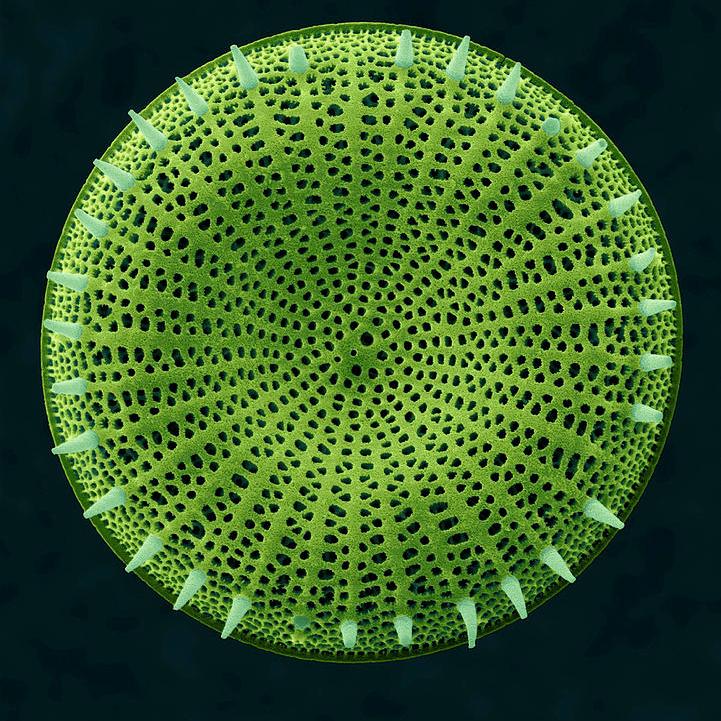
ADDENDUM

I mentioned above that when the gray wolf population was absent in Yellowstone National Park the bear and mountain lion populations decreased. I’d like to provide some further research and discussion on why this would happen.

Let’s first look at the wolf – bear interactions. Grizzly bears, black bears, and gray wolves have historically shared habitat throughout their range in North America. These interactions revolve around food sources and are characterized as “mutual avoidance”. Wolves may occasionally kill weak or young bear and bear have been noted to occasionally kill wolves, but these interactions are rare; most interactions between the two species are stand-offs as they defend their young or food source. Wolves prey on ungulates year-round whereas bear feed on ungulates primarily as winter-killed carcasses (after emerging from their dens) or ungulate calves in the spring. Bear mainly feed on grasses, sedges, forbs (flowering plant), berries, nuts, and roots. In YNP, most early-winter wolf-killed carcasses are consumed by coyotes before bears emerge from their dens. It has been suggested that bears benefit from wolf presence in the park because wolves prey on ungulates year-round and since bears readily displace wolves from their kill, this allows a more reliable food source for the bear for a larger portion of the year.

Now let’s look further at wolf – mountain lion interactions. A recent study showed that where these two species overlap in an ecosystem, wolves cause a decrease in mountain lion numbers by starving out adults and killing their kittens. When wolves are absent in a habitat, elk herds spread out and reside in relative comfort in mountains. However when wolves are present, elk herds congregate in larger groups in open grasslands to protect themselves from a wolf pack attack. Since mountain lions stalk and ambush their prey under cover of brush, they are less effective in hunting in the grasslands and starvation becomes an issue for the cats. Recent studies show the effect of wolf populations on mountain lions to be profound and much more impactful that human hunting of mountain lions.

It seems the earlier statement made about both bear and mountain lion populations decreasing when wolves are absent from an ecosystem may be outdated. More recent research that has been conducted since the wolf reintroduction into YNP seems to indicate that there is at least a benefit for bear to share habitat with wolves and a sort of equal standing between the two species allowing them to co-exist. However it seems clear that mountain lion populations definitely suffer a decline when sharing habitat with wolves.

I hope this discussion further illustrates the complex interactions between various species in an ecosystem and the delicate balance needed to maintain a healthy, functioning food web.

REFERENCES:

  1. Kesselheim, A. The Howling Wilderness. January 2021. The Sun. Chapel Hill, NC.
  2. https://www.nationalgeographic.com/animals/2020/07/yellowstone-wolves-reintroduction-helped-stabilize-ecosystem/
  3. https://www.nationalgeographic.org/media/gray-wolf-educator-guide/?utm_source=BibblioRCM_Row
  4. https://academic.oup.com/bioscience/article/53/4/330/250155
  5. https://onlinelibrary.wiley.com/doi/abs/10.1111/oik.01977
  6. https://www.nwf.org/Educational-Resources/Wildlife-Guide/Mammals/Gray-Wolf
  7. https://digitalrepository.unm.edu/cgi/viewcontent.cgi?referer=https://search.yahoo.com/&httpsredir=1&article=1650&context=nrj
  8. https://en.wikipedia.org/wiki/Apex_predator
  9. https://www.youtube.com/watch?v=qioZC81b7WM
  10. https://dfw.state.or.us/Wolves/docs/2019_Oregon_Wolf_Plan.pdf
  11. https://www.nps.gov/yell/learn/nature/bearwolves.htm
  12. https://www.smithsonianmag.com/science-nature/how-wolves-western-united-states-are-driving-down-mountain-lion-populations-180976775/

The Oregon Alligator Lizard and his Food Web

Several years ago my son came home from a hike and shared with me a picture of a lizard he found. After a bit of quick detective work we identified it as an Oregon Alligator Lizard (Elgaria multicarinata scincicauda). Coincidentally, I was engaged in doing coursework to become an Oregon Master Naturalist. We were currently studying the Fundamentals of Ecology and were given an assignment to create a food web for any given species. What you see below is the food web I created for the Oregon Alligator Lizard.
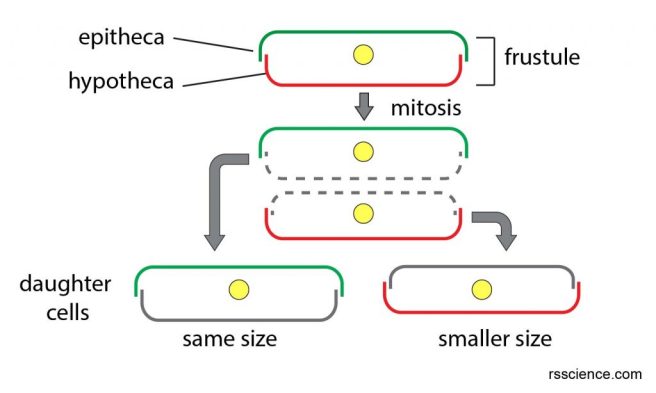
DEFINITIONS:

  • Food Chain: A linear system showing a succession of organisms whereby each species is eaten in turn by another species.
  • Food Web: A graphic model showing many food chains linked together to depict the feeding relationship of organisms in an ecosystem.
  • Apex Predators: The predator at the top of a food chain that is not preyed upon by any other animal.
  • Keystone Species: A species that has a large impact on its environment relative to its abundance. It plays a critical role in a food web by determining the types and numbers of various other species in the ecosystem. Without the keystone species, an ecosystem would be drastically different or collapse. Keystone species are sometimes, but not always, apex predators.
  • Trophic Levels: Describes the hierarchy in a food web which groups organisms based on the same number of steps removed from the primary producers.

The Oregon Alligator Lizard is a subspecies of the Southern Alligator Lizard (Elgaria multicarinara). It is a reptile native to the Pacific Coast of North America from Washington state to Baja California. This species has adapted to many diverse habitats however it is partial to foothill oak woodlands. Although it is listed by the IUCN Red List as “least concern” it is still a declining species due to habitat loss. It is carnivorous and feeds on a wide variety of prey — basically anything it can get it’s mouth on. They are also known to be cannibalistic, eating their own young, or adult males and females eating each other. This has been demonstrated in my food web diagram by the arrow going from and pointing to the lizard.

Cannibalism is an interesting, if somewhat disturbing, ecological interaction between species. It has been recorded in more than 1,500 species. Not unexpectedly, cannibalism increases in environments where other usual food sources are not meeting the needs of individuals. However, there are other reasons why individuals of a species may turn to cannibalism: as a way to regulate population numbers and increase access to necessary resources (shelter, territory, food), and increased mating opportunities. A feedback loop occurs when cannibalism decreases a species population density to the point where it becomes more beneficial to forage in the environment for other food sources than for cannibalism to occur.

A food chain refers to a succession of organisms in an ecological community where each organism is dependent on the next as a source of food. The basic food chain for the Alligator lizard would look like this:

Hawk —> Snake —> rodent —> Alligator lizard —> cricket —> vegetation

A food web is made up of a complex of interconnected food chains. Organisms in a food web are grouped into trophic levels. The basic trophic level categories are Producers, Consumers, and Decomposers.

Producers, or autotrophs, make up the first trophic level — they make their own food and do not depend on other organisms for nutrition. In my food web example, the plants and algae are the autotrophs.

Consumers are categorized as follows:

  • Primary consumers are herbivores (plant eaters). They are considered to be at the second trophic level. In my food web the insects, tadpoles, and snails/slugs are part of the second trophic level.
  • Secondary consumers eat herbivores. They are at the third trophic level. In my food web, the spiders, alligator and other lizards are part of the third trophic level.
  • Tertiary consumers eat secondary consumers. They are at the fourth trophic level. In my food web, the snakes, wolves, hawks and owls are in the fourth trophic level.
  • There may be additional trophic levels of consumers before a food chain reaches it’s top predator — the apex predator. Apex predators have no natural enemies except humans. In my food web, the eagle is the apex predator.

Decomposers complete the food web by eating non-living plant and animal remains. They turn organic waste into inorganic material thereby returning nutrients to the soil or ocean for use by autotrophs to begin a new food chain. In my food web, the fungi, algae, and ground beetles are all decomposers. Beetles are actually considered both consumers and decomposers.

It makes sense to think of a food web as it relates to an ecosystem. Some examples of ecosystems include a forest, desert, marine, tundra, grassland, coral reef. My food web example would be part of a freshwater ecosystem. Food webs are defined by their collective biomass, or the available energy in the living organisms. The web’s biomass decreases with each trophic level; there are more autotrophs than herbivores, more herbivores than carnivores, and relatively few apex predators. This allows the ecosystem to remain in balance and recycle biomass.

Every link in a food web is connected to at least two others. When one link in the food web is broken, particularly if there is a decrease or extinction of a keystone species, the entire food web is weakened or may collapse all together. Habitat loss is often a culprit in the weakening of food webs. Consider the decline in the salmon populations over that past few decades. One of the main reasons for this decrease is the loss and degradation of habitat from dam construction, stream pollution, lack of shade trees and woody debris in streams, over-irrigation, etc. With less salmon available, bears are forced to turn to other available food sources like ants. Since ants are decomposers, fewer ants means fewer nutrients returning to the soil which can support fewer autotrophs.

MAKING THE CONNECTION:

Once you have an understanding of how interconnected various species are simply on the level of who-eats-whom, and the necessary components that keep this cycle in balance, it becomes easier to understand why biodiversity is important to all life on earth. All life is dependent on the availability of water and nutrients to sustain a given organism. Humans, in general, have lost their intimate connection to the land and the importance of caring for the other beings we share the planet with. The ease of a quick drive to the grocery store has disconnected us from the understanding of how the foods found within were produced — what beings gave their lives so that we can eat and continue our own existence? Every meal should be taken in gratitude and commitment to ensure the harvest is sustainable. We depend on healthy ecosystems for our long-term survival.
Note: To comment on this post, click on the post title and scroll to the bottom of the page

REFERENCES:

https://www.nationalgeographic.org/encyclopedia/food-web/

https://ielc.libguides.com/sdzg/factsheets/southernalligatorlizard/summary

https://en.wikipedia.org/wiki/Cannibalism

https://www.fws.gov/salmonofthewest/poorhabitat.htm

https://extension.oregonstate.edu/mn

.